











Hospital Workplace Safety: Protecting Healthcare Workers and Patients
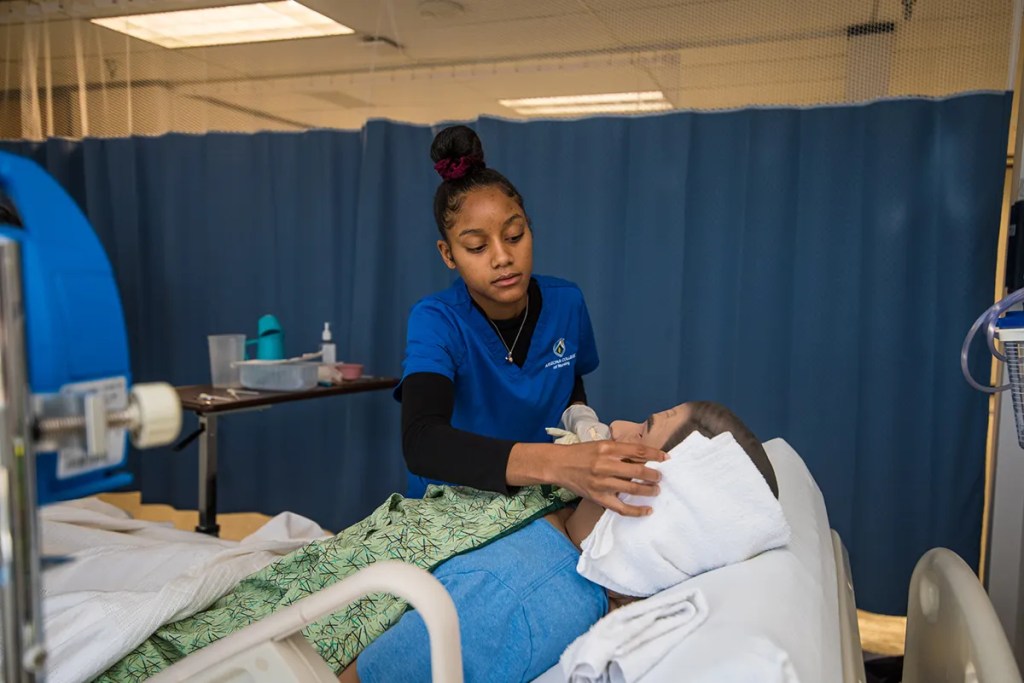
Nursing is one of the most hands-on, meaningful careers you can choose, and part of doing it well is knowing how to take care of yourself while you take care of others. The good news is that hospital workplace safety has never been more of a priority. Hospitals today are investing heavily in protocols, training, and support systems designed to help you feel confident and secure on the job.
Whether you’re already working as a nurse or getting ready to start clinicals as a student, understanding workplace safety early sets you up for a stronger, more confident start. This post walks you through the practical skills you’ll use every shift: injury prevention, safe patient handling, and how to recognize and respond to challenging situations. None of this is meant to worry you. It’s meant to prepare you, so you can walk into any unit feeling ready.
1. What are the most critical hospital workplace safety challenges facing healthcare teams?
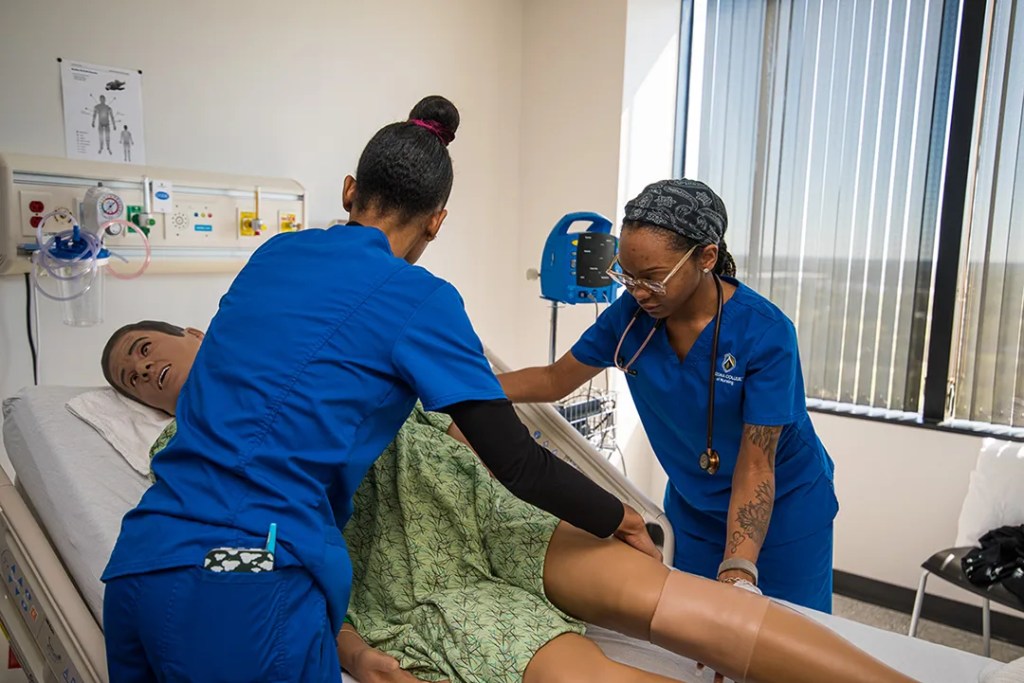
The two biggest safety challenges healthcare teams face are workplace violence and the physical demands of the job itself. The American Nurses Association describes workplace violence as any act or threat of physical violence, harassment, intimidation, or disruptive behavior from a patient, family member, coworker, or outside individual. Because nurses spend more direct time with patients than almost anyone else on the care team, recognizing and responding to this early makes a real difference.
The second challenge is physical. Bedside nursing involves a lot of lifting, standing, and fast-paced movement, which puts strain on your body over time. Hospitals have gotten much better at building safety into the job itself, with proper lifting techniques, protective equipment, and clear protocols that reduce that strain.
Both challenges show up more in certain units, like the emergency department, psychiatric care, operating rooms, and labor and delivery, where the pace and intensity are higher. Building strong habits around safety and self-care matters everywhere, but it matters most in the units where the stakes run highest.
2. How can hospital workplace safety programs prevent slip and fall incidents?
You spend a lot of energy watching out for patient falls, but your own footing matters just as much. Preventing slips and falls comes down to a few habits: keeping your space tidy, wiping up spills right away, wearing the right shoes, and staying aware of your surroundings.
Start each shift by clearing clutter from patient rooms and keeping hallways open. That’s not just about tripping hazards. Clear hallways matter for fire safety, patient transport, and infection control too.
When you spot a spill, clean it up right away and put out a wet floor sign. Most hospitals have an Environmental Services (EVS) team you can call for backup, so don’t hesitate to use them.
Good lighting matters more than people think, especially on night shift. Well-lit stairs and corridors go a long way toward preventing slips, trips, and falls.
You’ll also be working around infectious diseases, so knowing your hospital’s signage and PPE protocols is essential. Look for posted signs outside patient rooms and use the right protective gear, whether that’s gloves, a mask, a gown, or a face shield.
Needle safety deserves its own mention as many nurses may experience a needle stick at some point in their career. The fix is simple but easy to forget under pressure: dispose of needles the moment you’re done and never use a sharps container that’s already full.
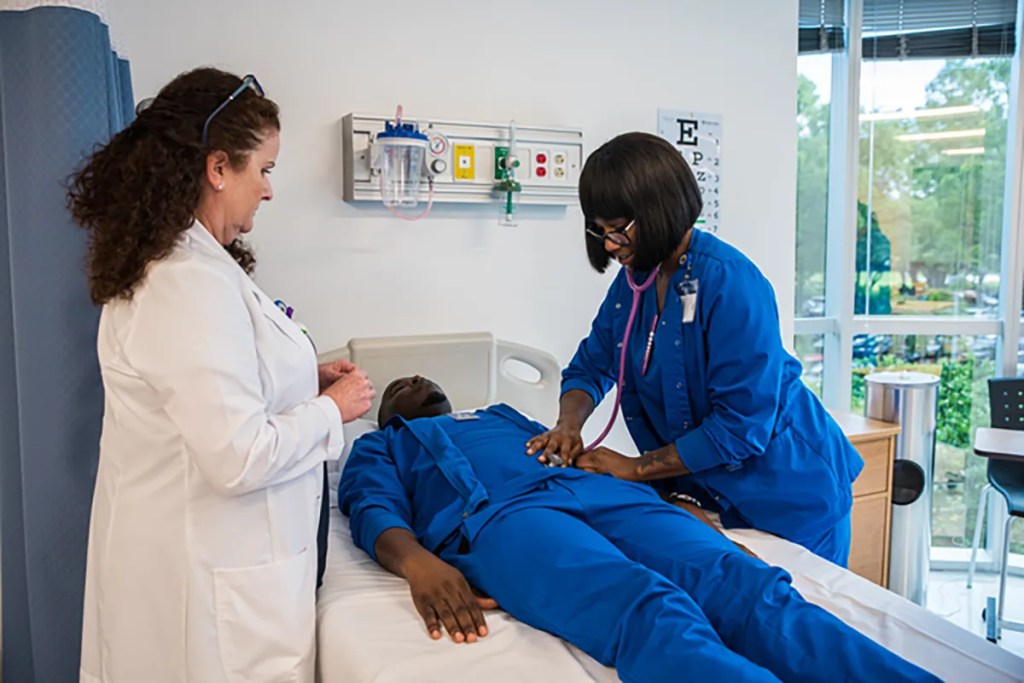
Your feet take a beating over a 12-hour shift, so don’t skimp on footwear. Look for shoes that tie, support your heel, and have slip-resistant soles. Skip the slide-ons, no matter how convenient they seem.
3. What patient lifting techniques improve hospital workplace safety?
Good body mechanics protect your back and your career. The World Health Organization is clear on this: lifting and repositioning patients without proper technique is a leading cause of chronic back pain among nurses. The physical demands of the job, standing for long stretches, lifting in awkward positions, make this risk even higher.
A few habits go a long way: avoid twisting, bend at your knees, keep the patient close to your body, and lift with your legs and core instead of your back. Raise the bed to hip level before you start, and never push, pull, or lift while off balance.
Heavy patients need a team, not a hero. A good rule of thumb is one person per 100 pounds, so a 300-pound patient needs at least three people helping. Whenever it’s available, a mechanical lift is the safest option for everyone involved.
Before using a lift, double check that it’s charged, working properly, and paired with a stable, locked receiving surface. According to the FDA’s patient lift safety guide, confirming the equipment is in good working condition and choosing the correct sling size are two of the most important steps for preventing injury during a transfer. Clear your path and skip any sling that shows wear.
Over a single 12-hour shift, nurses can end up lifting thousands of pounds total. That’s exactly why assessing a patient’s mobility before you move them matters so much. Check their physical condition and ability to help, and don’t be afraid to call in extra hands.
Sometimes the safest move is to let the patient do some of the work themselves. Raise the head of the bed and encourage them to push up using their own leg strength. And if a patient starts to fall, resist the instinct to catch them. Guide them down with a gait belt instead, since catching a falling patient is one of the fastest ways to get hurt.
4. How can workplace violence prevention enhance hospital workplace safety?
A strong safety culture starts with training, clear policy, and visible security. De-escalation training helps staff handle aggressive patients calmly, and a zero-tolerance policy sends a clear message that violence won’t be tolerated. On-site security, whether hospital staff or police, helps deter incidents before they start.
You’ll learn to spot warning signs before things escalate. The CDC notes that staying attuned to patient behavior is one of the most effective ways to catch early signs of aggression. Verbal cues include yelling, swearing, or a threatening tone, while non-verbal ones include clenched fists, pacing, or intense staring. The more signs you notice, the more important it is to stay alert.
Once you spot those signs, de-escalation is your best tool. Stay calm, listen actively, and set clear boundaries. Many hospitals also use standardized risk assessment tools, like the Triage Tool or Danger Assessment Tool, particularly in high-acuity units.
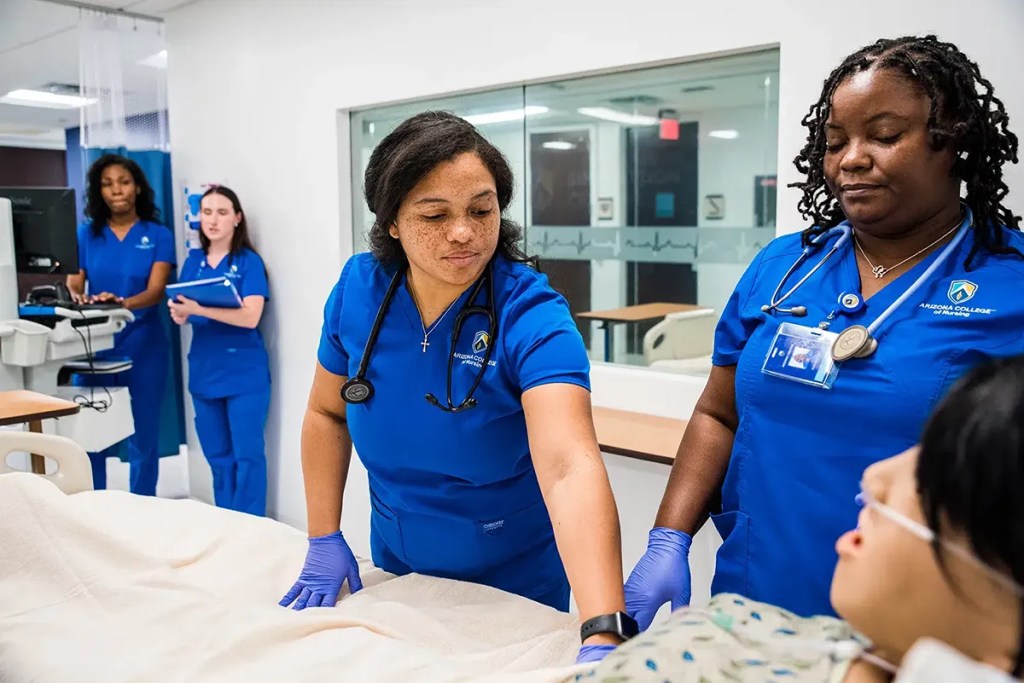
Visitors and family members can pose risks too, which is why visitor check-in and access control matter. Some units restrict visitor access entirely, so it’s worth knowing your unit’s specific policy.
If something does happen, file an incident report. Your voice matters here: reporting, even for near misses, helps hospitals investigate, support affected staff, and build stronger prevention plans going forward.
5. What ergonomic principles support hospital workplace safety for healthcare workers?
Small ergonomic changes add up to a safer shift. The goal is reducing physical and mental strain wherever possible, whether that’s through better equipment or smarter workstation setup. Stand-up desks and Computers on Wheels (COWs) help you avoid unnecessary stooping and bending while charting.
Good positioning matters during patient care too. Keep your alignment neutral while repositioning patients and pay attention to your posture throughout a long shift.
Tools like mechanical lifts, gait belts, sliding boards, and inflatable draw sheets exist to protect your body, so use them whenever you can. They’re not a shortcut. They’re the safer way to do the job.
Breaks matter more than they might seem to on a busy unit. Step away when you can and speak up if you’re consistently unable to take one. A quick stretch every couple of hours, ideally with a buddy system in place, makes a real difference over a 12-hour shift.
Tools like the WISHA Lifting Calculator can help you check your own posture and movement patterns. If you notice yourself slouching while charting, that’s worth addressing before it becomes a habit.
6. How can staff safety training improve overall hospital workplace safety culture?
Good training does more than check a box. It helps you feel genuinely supported and heard. Training builds trust by giving staff a shared framework and the confidence to speak up about safety concerns without fear of pushback.
Leadership involvement matters here too. When staff feel secure, they can focus on doing their job well, which benefits everyone, including patients. Regular training refreshers keep that trust strong over time.
Safety committees are a great way to stay engaged. They help staff recognize and report hazards, and they’re often where “good catch” recognition happens, celebrating the moments someone caught a problem before it became one.
Ongoing feedback keeps the whole system improving. Hospitals that track retention and safety perception alongside patient outcomes tend to build a stronger safety-first culture overall.
7. What workplace stress management strategies enhance hospital workplace safety?
Adequate staffing and clear communication go a long way toward reducing stress on the unit. Resources like counseling, peer support, and employee assistance programs (EAPs) can help too, especially in high-stress areas like the ED or psychiatric care.
If you’re new to nursing, a peer mentorship program can make a real difference. It’s worth checking what mental health resources your hospital offers before you need them.
Reducing nurse-to-patient ratios, where possible, helps ease the pressure. So do smaller changes like shorter shifts or using your PTO without guilt.
A healthier work-life balance protects you long term. That might look like flexible scheduling, self-scheduling options, or support like on-site childcare. None of it happens without leadership willing to build a genuinely supportive environment.
8. How should hospital incident reporting improve hospital workplace safety outcomes?
Reporting only works if you feel safe doing it. According to Kumah et al. (2024), incident reporting improves both care quality and delivery, but that only holds true when staff trust the system enough to use it.
A supportive reporting culture protects your privacy and takes even minor incidents seriously. Categorizing incidents, whether as a near miss, a no-harm event, or something more serious, helps hospitals spot patterns and respond appropriately.
Once a report is filed, a team investigates and builds an action plan. Sharing what they learn with staff matters just as much as the investigation itself. It’s how the whole team gets better at keeping each other safe.
References
American Nurses Association. (2025). Protect yourself, protect your patients. Retrieved from: https://www.nursingworld.org/practice-policy/work-environment/wpv/
Center for Disease Control and Prevention. (2025). Be attuned to patient behaviors. Retrieved from: https://wwwn.cdc.gov/WPVHC/Nurses/Course/Slide/Unit6_7
Food and Drug Administration (2025). Patient lifts: Safety guide. Retrieved from: https://www.fda.gov/files/medical%20devices/published/Patient-Lifts-Safety-Guide.pdf
Kumah A, Zon J, Obot E, Yaw TK, Nketsiah E, Bobie SA. Using Incident Reporting Systems to Improve Patient Safety and Quality of Care. Glob J Qual Saf Healthc. 2024 Feb 28;7(4):228-231.
World Health Organization (2025). Unsafe patient handling. Retrieved from: https://www.who.int/tools/occupational-hazards-in-health-sector/unsafe-patient-handling
Start Your Future in Nursing Today
If you’re considering a career as a registered nurse (RN), Arizona College of Nursing is here to help you pursue your dream. Our BSN program enables you to earn a Bachelor of Science in Nursing in just 3 years or less with qualifying transfer credits. We’ve helped hundreds of students to earn a BSN degree and enter the nursing profession – and we’re ready to support you on your path to becoming an RN.
Why Choose Arizona College of Nursing?
- Earn a BSN degree in 3 years or less with eligible transfer credits
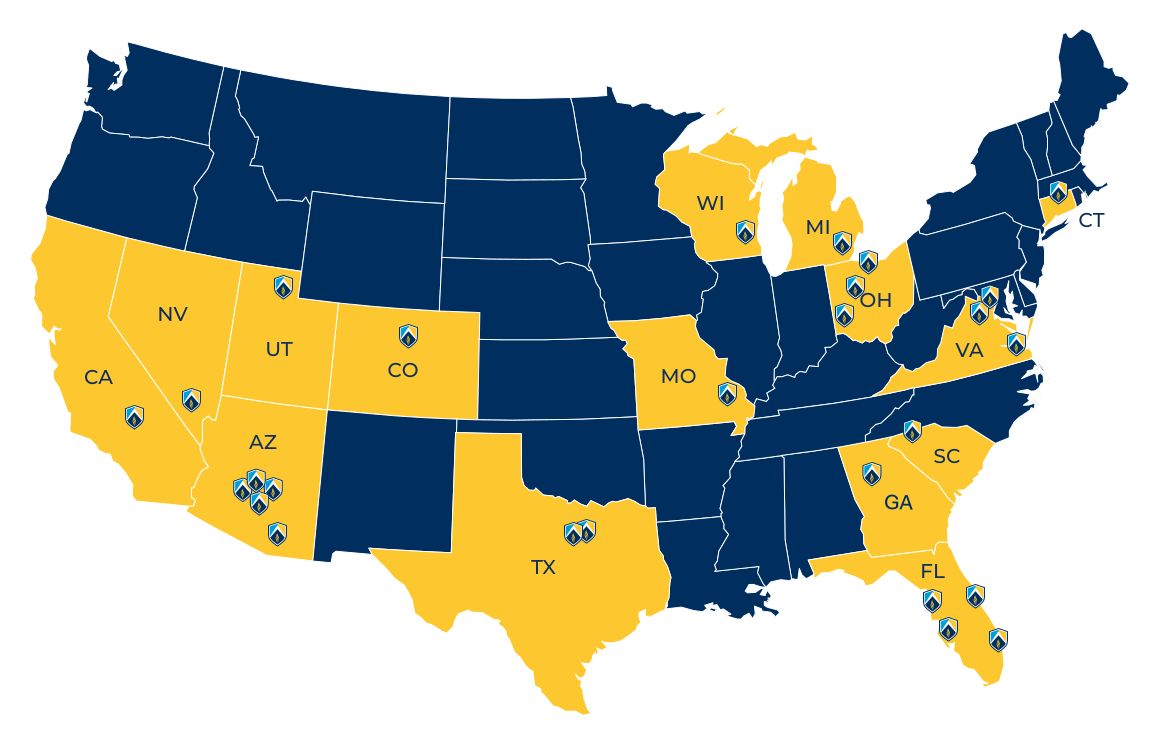
- Campus locations throughout the US
- Night classes for general education courses
- Hybrid Online/In-Person format for general education classes
- Nursing education is all we do
- CCNE-Accredited Program*
- NCLEX-RN success coaches and exam preparation class
- Financial aid available to those who qualify
Discover Your Path to a Career in Nursing
Information in this post is accurate as of July 20, 2026.
*The Bachelor of Science in Nursing (BSN) degree program at Arizona College of Nursing is accredited by the Commission on Collegiate Nursing Education (https://www.aacnnursing.org/). All Arizona College of Nursing and Arizona College campuses are institutionally accredited by the Accrediting Bureau of Health Education Schools (https://www.abhes.org/), a U.S. Department of Education-recognized accrediting agency.