












Psychiatric-Mental Health Nursing: What You Need to Know
What is a Psychiatric Nurse?
Psychiatric-mental health nursing is challenging, rewarding, and a great benefit to the 18% of U.S. adults diagnosed with a mental illness. Psychiatric nurses are vital in helping to educate and care for these adult patients, as well as children and adolescents with psychiatric problems. According to the CDC, mental health disorders are the primary diagnosis for 60 million physician office visits and 6 million emergency department visits annually.

A psychiatric nurse may work in clinical settings that include:
- General or psychiatric hospitals
- Private medical practitioner offices
- Home health care organizations
- Correctional facilities
- Community clinics
- Outpatient mental health organizations
- Schools serving individuals with emotional and mental health problems
- Long-term care facilities
Other common titles for a psychiatric nurse include psych nurse, psych RN, mental health nurse, and psychiatric-mental health nurse.
What do psychiatric nursing responsibilities include?
A psychiatric nurse cares for people of all ages who are undergoing treatment for mental health issues. These may include self-harm, eating disorders, addiction and substance abuse, anxiety and mood disorders, Alzheimer’s disease, and other mental health illnesses. A psych nurse may work with patients with either persistent psychiatric-mental health issues or episodic ones (such as depression) that may come and go. They also care for those facing difficult life experiences, such as a terminal illness or the death of a loved one.
Psychiatric nurses work closely with fellow registered nurses, psychiatrists, psychiatric nurse practitioners, and other mental health specialists. They also often interact with case managers, social workers, and psychologists. As a valuable member of an interdisciplinary health services team, a psychiatric mental health nurse may:
- Assess symptoms and history to help diagnose the patient
- Monitor mental health symptoms, behaviors, and needs
- Assist in developing and refining patient care plans
- Provide short- or long-term care to help patients live more fulfilling, productive lives
- Administer medications and observe responses or side effects
- Establish therapeutic relationships through leading group discussions with patients
In addition to providing direct patient care, a mental health nurse’s role includes educating patients about self-care and providing information to them and their families about mental health conditions, coping skills, and treatment plans. One important part of this is ensuring families are ready to provide proper home care for patients and bring in other resources should full-time care be needed. Psychiatric nurses may also connect patients with appropriate community and government support programs and services.
How do I become a psychiatric nurse?
Before pursuing a psychiatric and mental health nursing career, you must first attend nursing school and earn a degree from an accredited nursing program. Then, to become a registered nurse, you’ll need to pass the NCLEX-RN exam and meet your state’s nursing licensure requirements. Today, many healthcare employers prefer to hire registered nurses with at least a bachelor degree, and having a bachelor’s degree can help you find higher-paying and more diverse nursing career opportunities.
After acquiring some nursing experience, many psych RNs pursue Psychiatric-Mental Health Nursing certification from the American Nurses Credentialing Center (ANCC). Having Psychiatric-Mental Health Nursing certification can demonstrate your skills and commitment to the mental health field. It can also help qualify you for salary increases and give you an edge when applying to psychiatric nurse jobs.
Prepare for a Mental Health Nursing Career
If you know that being a psych nurse is the right career for you, get started by enrolling in the Arizona College nursing program. Request information now to learn more about this 3-year Bachelor of Science in Nursing (BSN) degree program!
Information in this blog post is accurate as of March 21, 2019.
Start Your Future in Nursing Today
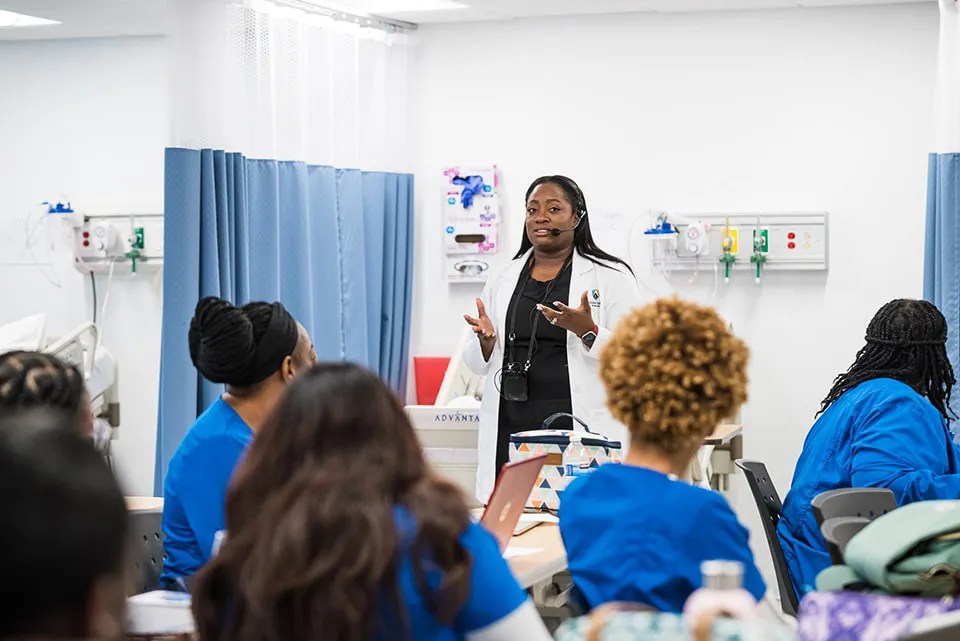
If you’re considering a career as a registered nurse (RN), Arizona College of Nursing is here to help you pursue your dream. Our BSN program enables you to earn a Bachelor of Science in Nursing in just 3 years or less with qualifying transfer credits. We’ve helped hundreds of students to earn a BSN degree and enter the nursing profession – and we’re ready to support you on your path to becoming an RN.
Why Choose Arizona College of Nursing?
- Earn a BSN degree in 3 years or less with eligible transfer credits
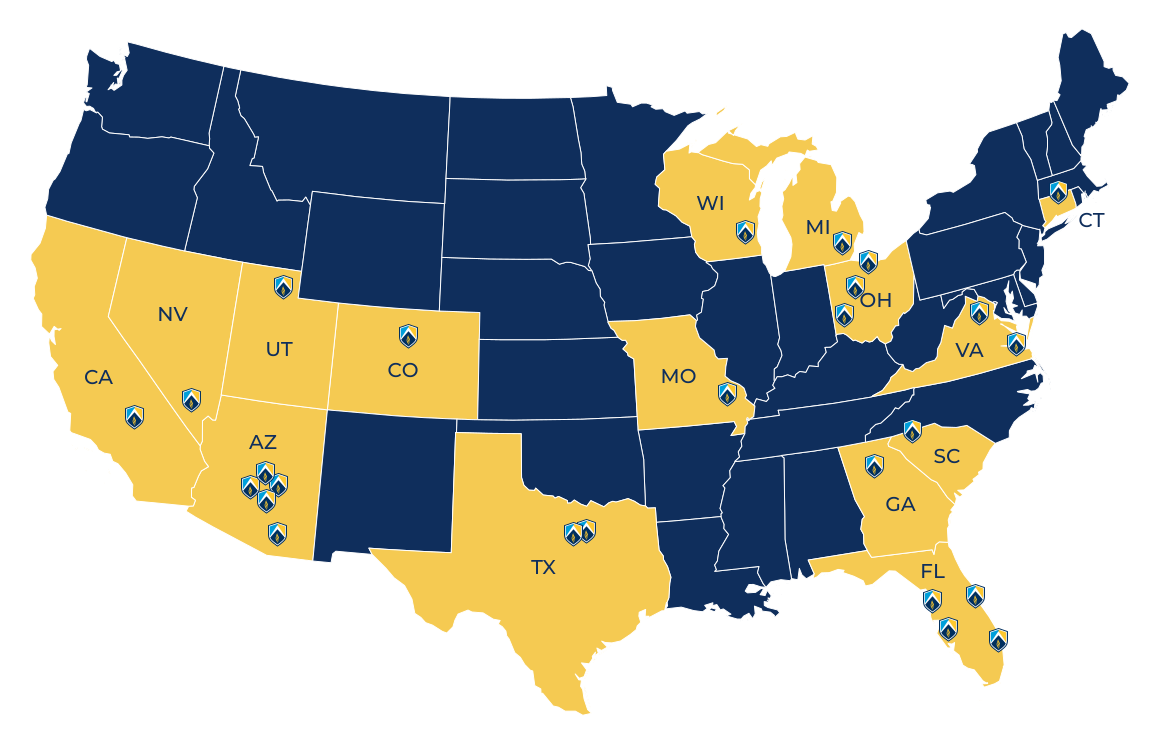
- Campus locations throughout the US
- Night classes for general education courses
- Hybrid Online/In-Person format for general education classes
- Nursing education is all we do
- CCNE-Accredited Program*
- NCLEX-RN success coaches and exam preparation class
- Financial aid available to those who qualify
Discover Your Path to a Career in Nursing
Information in this post is accurate as of March 21, 2019.
*The Bachelor of Science in Nursing (BSN) degree program at Arizona College of Nursing is accredited by the Commission on Collegiate Nursing Education (https://www.aacnnursing.org/). All Arizona College of Nursing and Arizona College campuses are institutionally accredited by the Accrediting Bureau of Health Education Schools (https://www.abhes.org/), a U.S. Department of Education-recognized accrediting agency.