












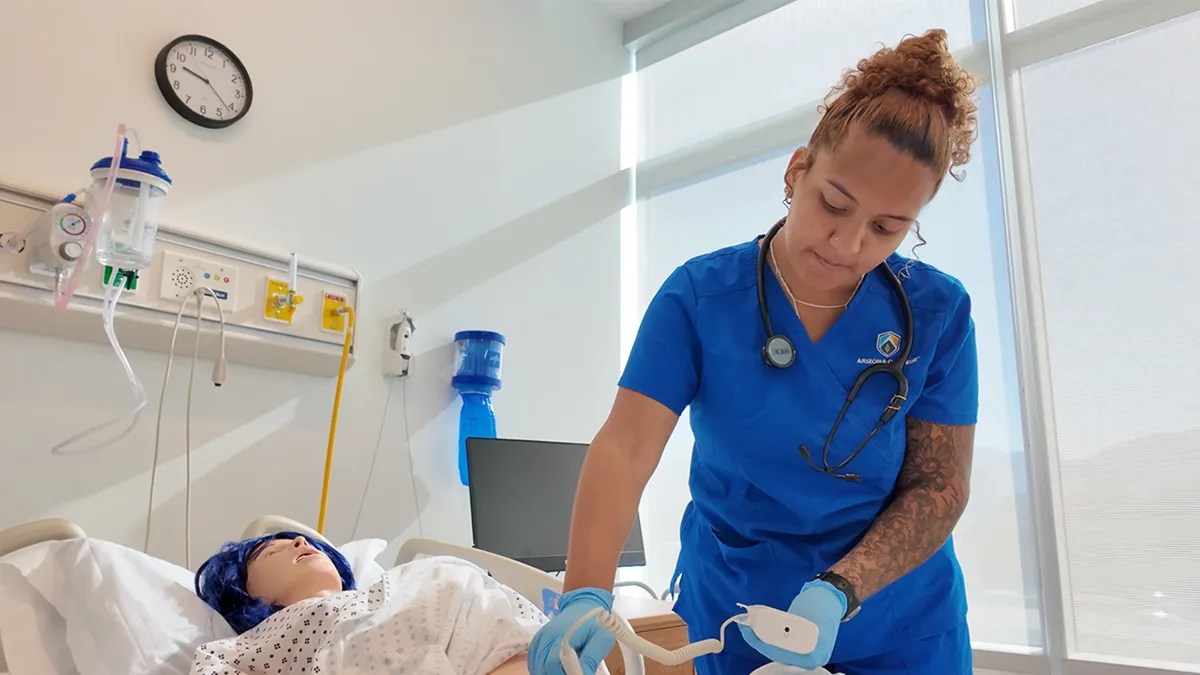

Getting ready for your first clinical shift can feel overwhelming, with a mix of excitement, nerves, and a lot of “Am I forgetting something?” It is totally normal to feel anxious, but having the right tools can make all the difference.
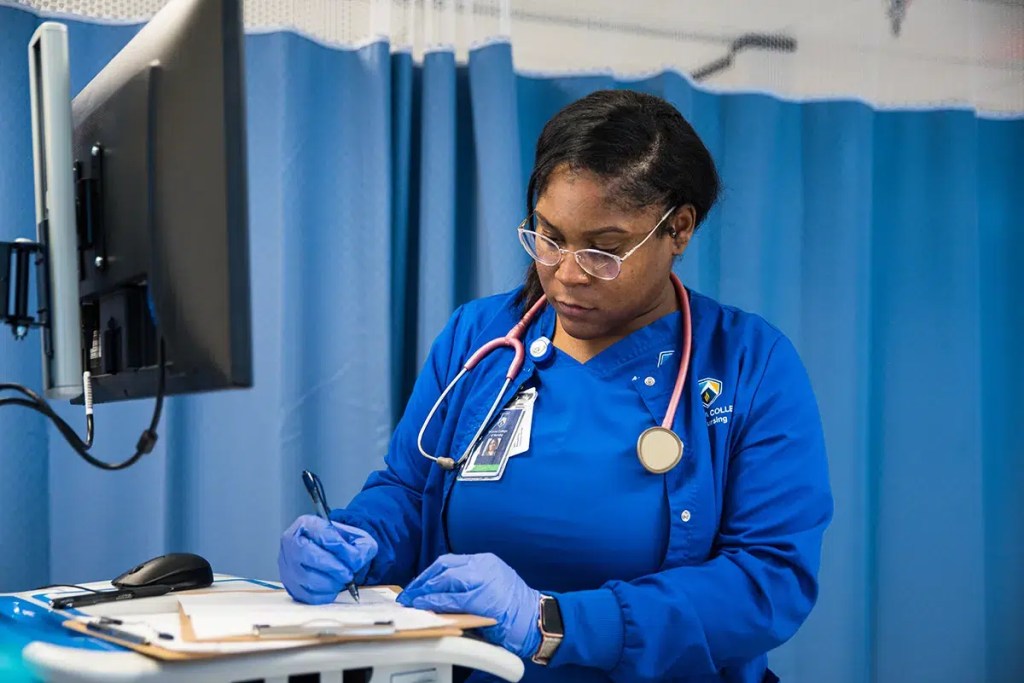
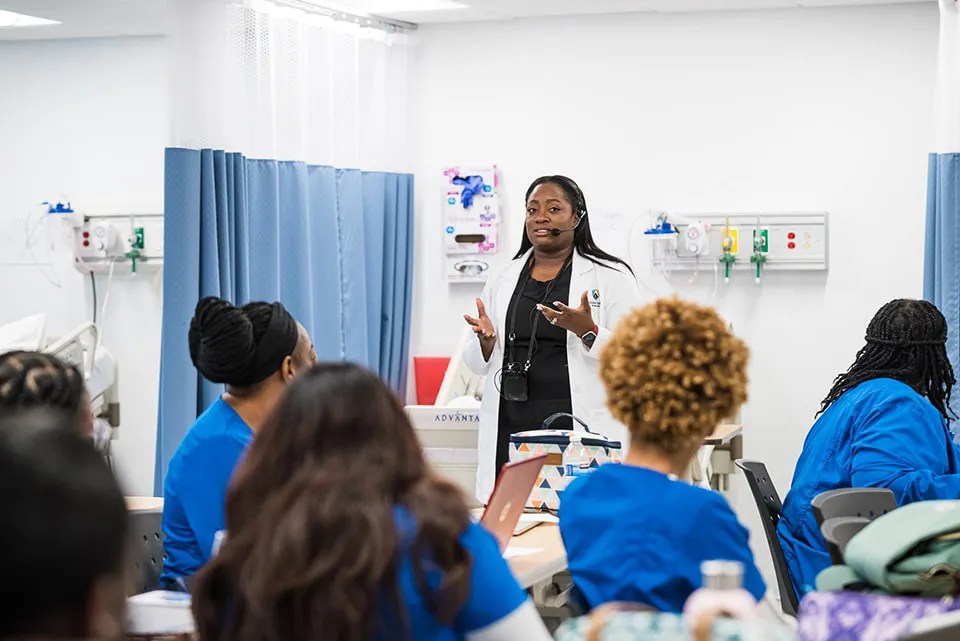
“What makes me most excited [for my students starting clinicals] is that I have the ability to help them grow in their critical thinking and their judgment just by asking them questions and challenging them to think,” shared Loukisha Roberts-HiggenBotham, DNP-PMHNP-BC, professor at Arizona College of Nursing’s Dallas Campus.
Your Core Clinical Toolkit
So, what’s in your bag on day 1? It shouldn’t just feel like a mix of gadgets you are expected to use, but extensions of your hands and ears. Think of your clinical bag as your trusty sidekick, full of everything you need to feel prepared and confident on the floor. These tools are here to help you practice the skills you have been learning in class and begin thinking like a nurse.
Stethoscope: A high-quality stethoscope is your most important piece of equipment. This is how you will listen to heartbeats, lung sounds, and bowel activity. A good case to protect your stethoscope from bumps and scrapes from the busy clinical day is also ideal to have.
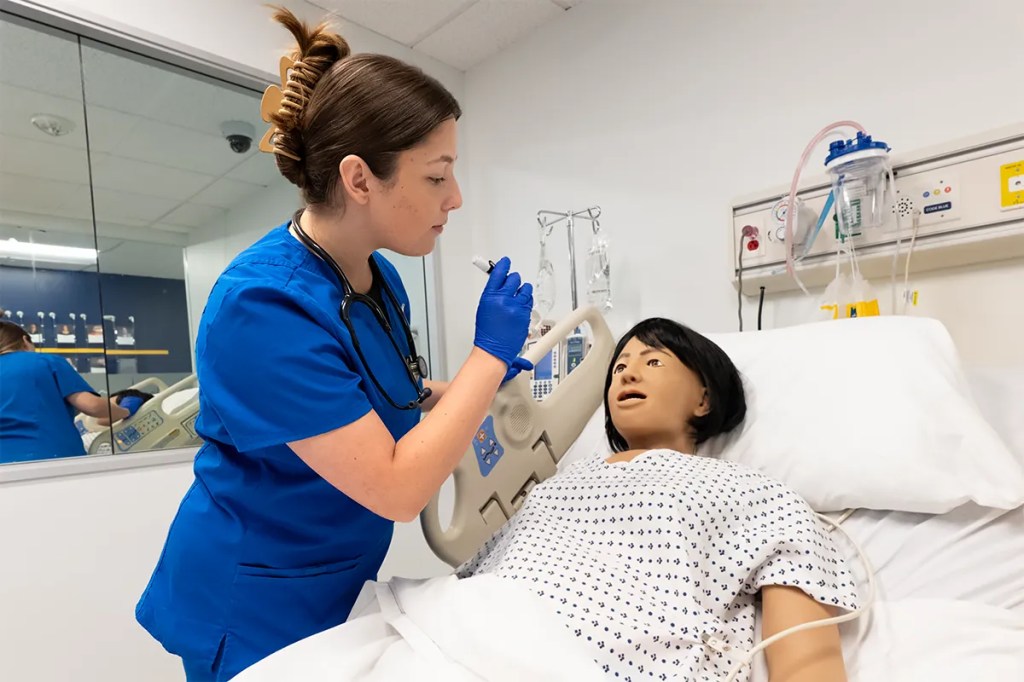
Penlight: When it comes to pupil checks, you need a reliable source. A mini-LED penlight is perfect because it is small, bright, and does not take up too much pocket space!
Trauma Shears: Hopefully you won’t need to use them, but many nurses recommend you keep a pair of 7.5-inch trauma shears with curved blades and safety tips handy for any unexpected situations.
A Watch with a Second Hand: Watches have many uses and can help manage medical and administrative duties, and watches with a second hand can track time more accurately. Whether used for time checks when providing medication to patients or helping to identify potential health irregularities, we recommend our students use watches in their clinicals to improve time management, health tracking, and communication.
Comfort and Practicality
Being a nurse comes with being on your feet for a long time. It is important to remember that taking care of yourself is just as crucial as taking care of your patients.
Comfy Shoes: You’ll be on your feet for hours, so investing in supportive, slip-resistant shoes is a game-changer. Look for durable shoes with the cushioning and support to make a 12-hour shift feel manageable.
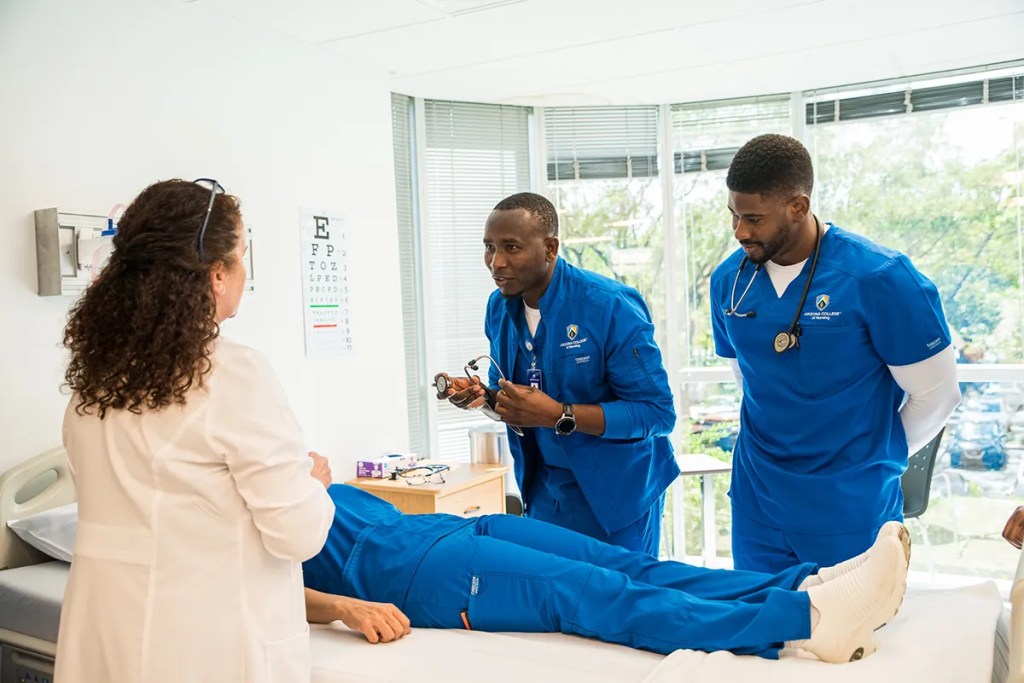
Scrubs: Make sure you have several pairs of comfortable, well-fitting scrubs to get you through the week. You will be bending, moving, and stretching all day, so you need clothes that will move with you and not against you.
Compression Socks: A good pair of compression socks (15-20 mmHg) will save your legs and feet from fatigue during those long, 12-hour shifts. If you have never tried them before, get ready to have your mind blown.
Not only will having these nursing essentials help you perform your duties, but they will also boost your confidence. You’ll know that you have what you need to handle the tasks ahead.
Start Your Future in Nursing Today
If you’re considering a career as a registered nurse (RN), Arizona College of Nursing is here to help you pursue your dream. Our BSN program enables you to earn a Bachelor of Science in Nursing in just 3 years or less with qualifying transfer credits. We’ve helped hundreds of students to earn a BSN degree and enter the nursing profession – and we’re ready to support you on your path to becoming an RN.
Why Choose Arizona College of Nursing?
- Earn a BSN degree in 3 years or less with eligible transfer credits
- Campus locations throughout the US
- Night classes for general education courses
- Hybrid Online/In-Person format for general education classes
- Nursing education is all we do
- CCNE-Accredited Program*
- NCLEX-RN success coaches and exam preparation class
- Financial aid available to those who qualify
Discover Your Path to a Career in Nursing
Information in this post is accurate as of June 22, 2026.
*The Bachelor of Science in Nursing (BSN) degree program at Arizona College of Nursing is accredited by the Commission on Collegiate Nursing Education (https://www.aacnnursing.org/). All Arizona College of Nursing and Arizona College campuses are institutionally accredited by the Accrediting Bureau of Health Education Schools (https://www.abhes.org/), a U.S. Department of Education-recognized accrediting agency.