












Biohazard Exposure Prevention: Tips for Protecting Yourself
Professionals in the field of Phlebotomy have the responsibility of collecting samples of blood from patients. It is absolutely critical that Phlebotomists use caution – both for their own safety and the safety of others – when performing venipuncture in order to avoid exposure to blood-borne pathogens.
During training, aspiring Phlebotomists learn a number of standard safety procedures and precautions that help protect them when performing their duties. These include needlestick precautions, how to handle spills, and proper needle disposal.
Needlestick Precautions – If a Phlebotomist accidentally sticks him or herself with a contaminated needle, precautions must be taken to prevent the spread of infection. The Phlebotomist must first remove their gloves, and the site of the needlestick should be washed with soap and water while squeezing to promote bleeding. This is very important as it helps to flush the contaminate from the Phlebotomist’s system. The patient’s name and record should also be kept on record in case an infection does occur and more information is required. The Phlebotomist’s supervisor should be notified immediately for further instruction.
Spills – In the case that a blood sample is spilled, the Phlebotomist should first ensure that they are wearing the necessary protective gear. Next, they must carefully dispose of any material that came in contact with the spill in a biohazard container. Finally, the area where the spill occurred should be cleaned with a disinfectant.
Proper Needle Disposal – After drawing blood, the Phlebotomist must properly dispose of the used needle in an approved sharps container.
Phlebotomists should also be mindful of universal safety precautions that don’t pertain solely to Phlebotomy, including frequent hand washing, wearing the proper protective clothing in a laboratory environment, wearing a new pair of gloves for each patient, and ensuring used materials are properly disposed of.
To learn more about how you can become a Phlebotomist, contact Arizona College today!
Information in this blog post is accurate as of April 17, 2013.
Start Your Future in Nursing Today
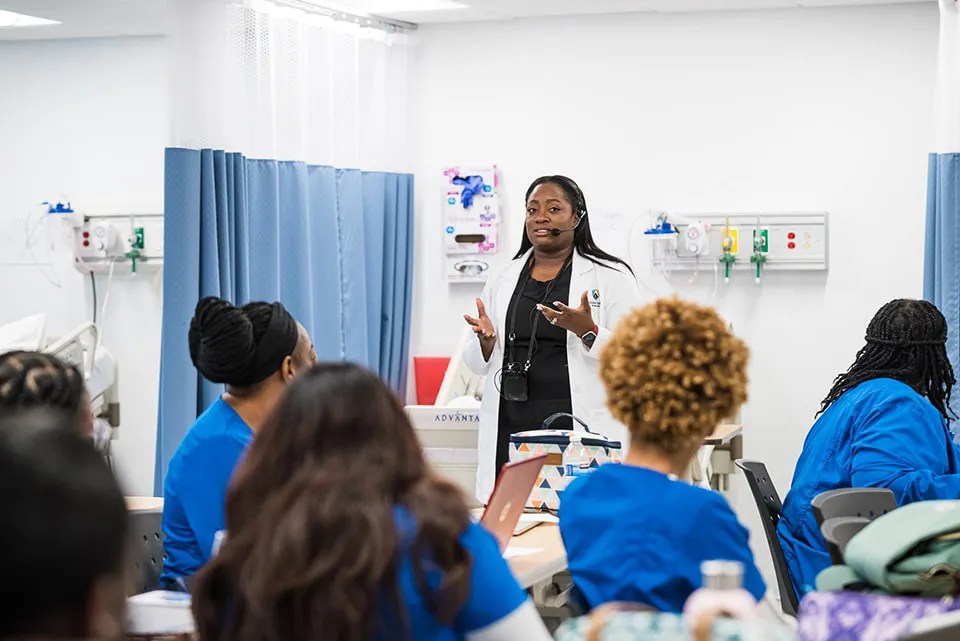
If you’re considering a career as a registered nurse (RN), Arizona College of Nursing is here to help you pursue your dream. Our BSN program enables you to earn a Bachelor of Science in Nursing in just 3 years or less with qualifying transfer credits. We’ve helped hundreds of students to earn a BSN degree and enter the nursing profession – and we’re ready to support you on your path to becoming an RN.
Why Choose Arizona College of Nursing?
- Earn a BSN degree in 3 years or less with eligible transfer credits
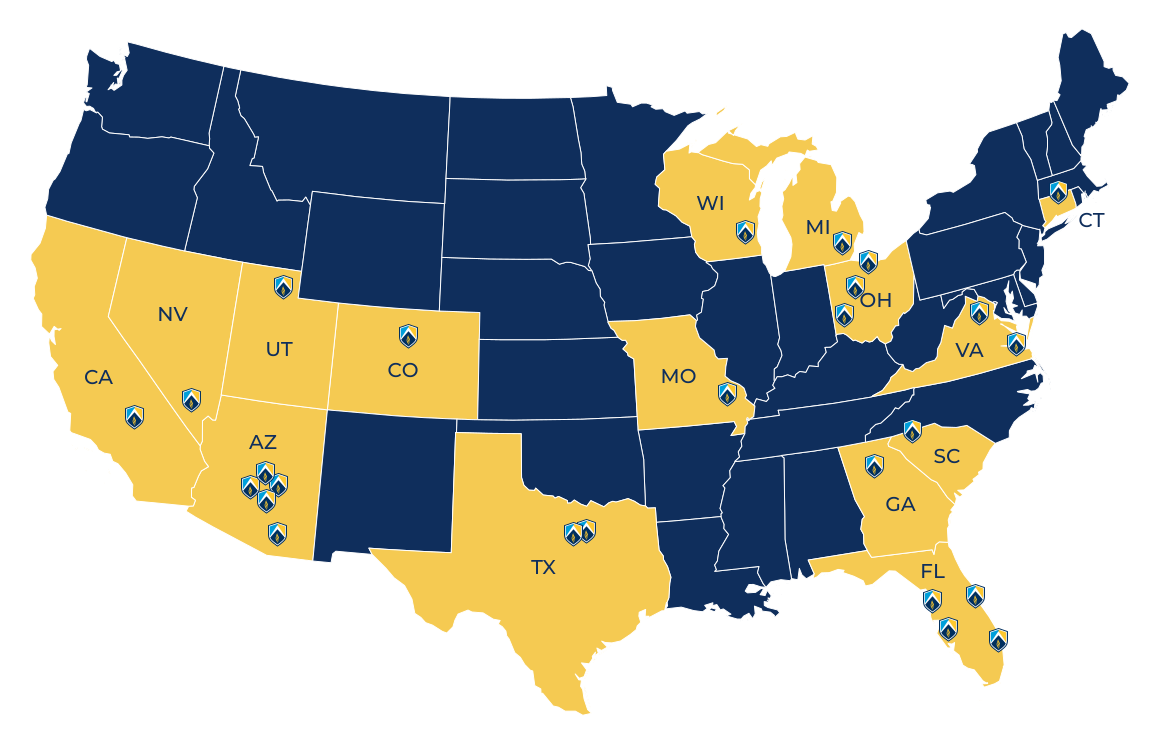
- Campus locations throughout the US
- Night classes for general education courses
- Hybrid Online/In-Person format for general education classes
- Nursing education is all we do
- CCNE-Accredited Program*
- NCLEX-RN success coaches and exam preparation class
- Financial aid available to those who qualify
Discover Your Path to a Career in Nursing
Information in this post is accurate as of April 17, 2013.
*The Bachelor of Science in Nursing (BSN) degree program at Arizona College of Nursing is accredited by the Commission on Collegiate Nursing Education (https://www.aacnnursing.org/). All Arizona College of Nursing and Arizona College campuses are institutionally accredited by the Accrediting Bureau of Health Education Schools (https://www.abhes.org/), a U.S. Department of Education-recognized accrediting agency.