













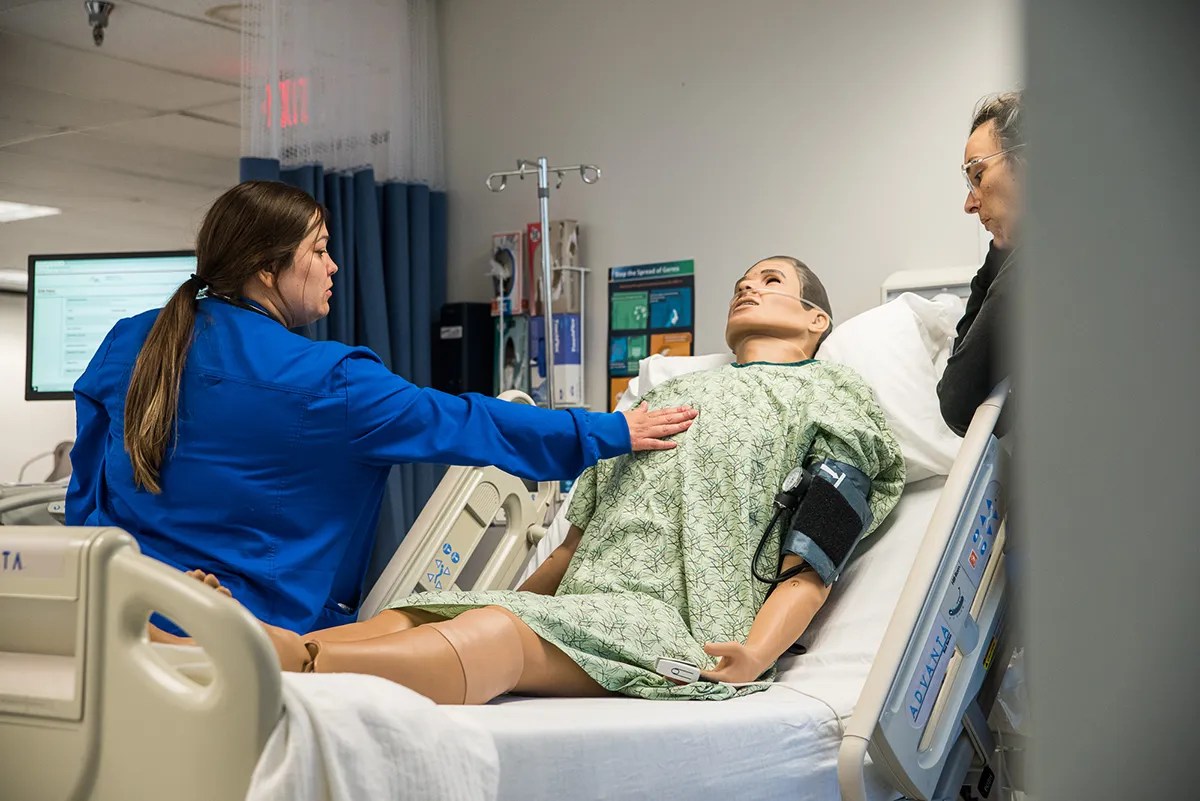

From the busy hours in our simulation labs to the wisdom shared in clinical rotations, the importance of cardiac health resonates deeply within the Arizona College of Nursing (AZCN) community. Whether you are a student, faculty member, someone considering a career in healthcare, or just someone seeking to improve the depth of their wellness knowledge, understanding the heart and how to protect it is a lifelong skill.
To help, we have broken down the essentials of cardiac care with insights from a few AZCN nursing leaders.
Why Heart Health is a Priority
According to the Centers for Disease Control and Prevention (CDC), heart disease is the leading cause of death for men, women, and people of most racial and ethnic groups in the United States (US). In 2022, 1 in every 5 deaths in the US were caused by heart disease.
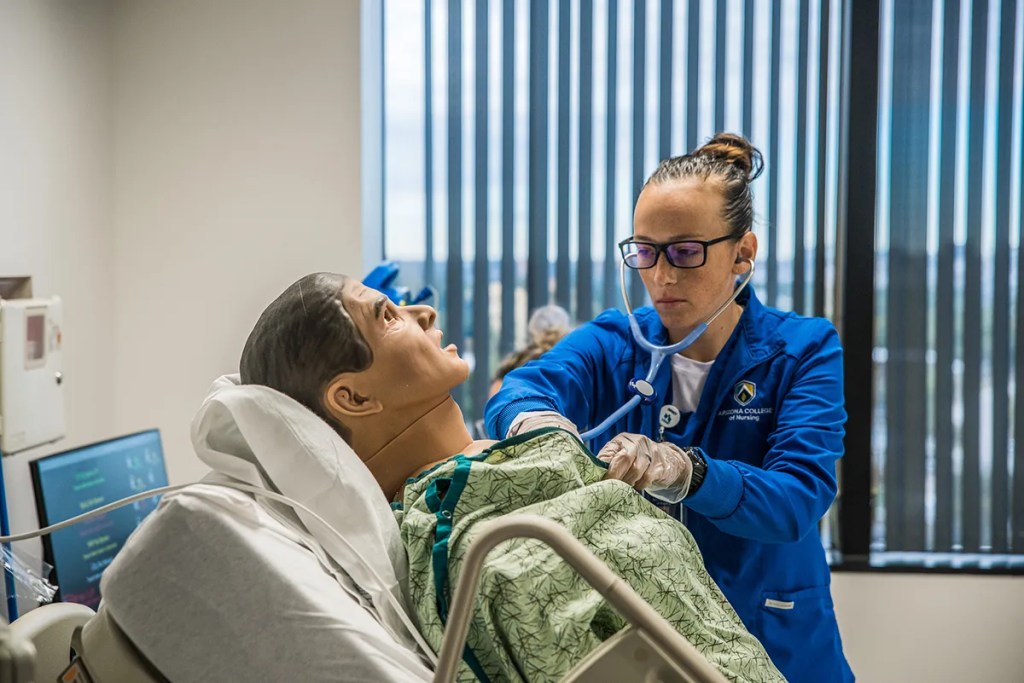
The CDC also emphasizes the silent crisis heart disease causes, with nearly half of US adults having high blood pressure, a primary risk factor for stroke and heart attack. However, only 1 in 4 have it under control.
The economic impact is prevalent too, with the cost of healthcare services, medications, and lost productivity due to heart disease reaching a staggering $168 billion between 2020 and 2021.
Beyond the clinical statistics, there is a human element. Our mission at AZCN is to transform these numbers through education and early intervention.
“As far as nursing-wise, cardiac is my love. I’ve always worked cardiac. It always seemed to come naturally,” said Jennivee Walsh, Assistant Dean of Nursing at AZCN’s Phoenix campus. “No matter which direction patients are going, it’s great to see them get where they need to be and for families to accept and to learn and grow from that.”
These aren’t just statistics, but a representation of the patients you will monitor, the families you will comfort, and the communities you will serve.
Understanding the Signs: Men vs Women
At AZCN, we teach our students that a heart attack does not always look like it does in the movies, and the “textbook” symptoms don’t always apply to every patient. The American Heart Association emphasizes that women often experience symptoms that are “atypical,” and that don’t follow the “standard” rules. As a nurse, your ability to spot these differences can be lifesaving.
For men, common symptoms include:
- Classic Chest Pain: A feeling of heavy pressure, squeezing, or fullness in the center of the chest
- Radiating Pain: Pain that travels or moves into the left arm, neck, or jaw
- Cold Sweats: Breaking out in a sweat without fever or physical exertion
- Other Signs: Cold sweat, nausea, or lightheadedness
Women are more likely to have symptoms that feel like other common issues, which is why they are often ignored:
- Unusual Fatigue: Feeling completely wiped out or exhausted for no clear reason, sometimes for days at a time
- Shortness of Breath: Feeling like you can’t catch your breath, even when resting
- Nausea or Indigestion: Being sick to your stomach or having a burning sensation that feels like heartburn

- Sleep Disturbances: Difficulty sleeping, waking up tired, and unusual sleep patterns can be red flags
- Back or Jaw Pain: Pain located specifically between the shoulder blades or in the lower jaw, which can be gradual or sudden and easily dismissed as muscle strain or stress
- Lightheadedness or Dizziness: A sudden onset can be a sign of a cardiac event
- Chest Pain That’s Not Severe: It might feel more like pressure, tightness, or a dull ache, and can sometimes be mistaken for anxiety
Understanding these distinctions is important for anyone, including those learning assessment skills, performing evaluations, or teaching the presentations of heart disease.
Strategies to Reduce Your Risk
You don’t need a nursing degree to start protecting your heart today. At AZCN, we stress the importance of prevention, encouraging our students to advise patients on risk reduction strategies. These strategies include:
Blood Pressure Literacy: Teach patients how to monitor their blood pressure at home and the importance of medication adherence. Remember that a “normal reading” in the clinic may not reflect the daily reality of the patient.
Using Food as Fuel: Guide patients toward heart-healthy diets that are accessible. Move beyond just “eating better” to provide actionable advice on reducing sodium and processed sugars.
Smoking Cessation: Provide resources and support to help patients quit the leading preventable cause of heart disease.
Cholesterol Management: Explain the difference between “good” and “bad” cholesterol, as well as strategies to maintain healthy levels through diet, exercise, and medication when necessary.
Regular Physical Activity: Teach patients the importance of exercise. The CDC states that adults need at least 150 minutes of moderate-intensity physical activity a week, as well as 2 days of muscle-strengthening activity each week. Even short bursts of activity throughout the day add up.
Stress Management: Educate on healthy coping mechanisms for stress, such as mindfulness, meditation, yoga, or spending time outside. Chronic stress can significantly impact cardiovascular health.
Support at AZCN
Behind every successful cardiac nurse is a foundation of rigorous education and unwavering support. At AZCN, we pride ourselves on cultivating growth and a supportive environment for our students. Olivia Holt, Dean of Nursing at AZCN’s Tucson campus, knows that the journey from student to professional requires a strong heart and a supportive team.

Dean Holt’s own story is one of persistence, stating, “I started as a Certified Nursing Assistant and went all the way up. I grabbed every certificate on the way.”
Her goal is to ensure that every student feels just as supported as the patients they will one day treat.
“As a Dean, knowing that I’m making sure that the students are being taken care of, and that they feel supported is my passion. Teaching is my passion and is the best job in the world.” Dean Holt says.
Moving Forward
Whether you are looking to improve your own heart health or you feel called to join the ranks of nurses like Assistant Dean Walsh or Dean Holt, the time to act is now. Heart health is not just a topic that applies to one month a year, but it is a commitment we should make to ourselves every day.
At AZCN, we are proud to support the next generation of nurses who will help change these statistics, one patient at a time.
Start Your Future in Nursing Today

If you’re considering a career as a registered nurse (RN), Arizona College of Nursing is here to help you pursue your dream. Our BSN program enables you to earn a Bachelor of Science in Nursing in just 3 years or less with qualifying transfer credits. We’ve helped hundreds of students to earn a BSN degree and enter the nursing profession – and we’re ready to support you on your path to becoming an RN.
Why Choose Arizona College of Nursing?
- Earn a BSN degree in 3 years or less with eligible transfer credits
- Campus locations throughout the US
- Night classes for general education courses
- Hybrid Online/In-Person format for general education classes
- Nursing education is all we do
- CCNE-Accredited Program*
- NCLEX-RN success coaches and exam preparation class
- Financial aid available to those who qualify
Discover Your Path to a Career in Nursing
Information in this post is accurate as of February 9, 2026.
*The Bachelor of Science in Nursing (BSN) degree program at Arizona College of Nursing is accredited by the Commission on Collegiate Nursing Education (https://www.aacnnursing.org/). All Arizona College of Nursing and Arizona College campuses are institutionally accredited by the Accrediting Bureau of Health Education Schools (https://www.abhes.org/), a U.S. Department of Education-recognized accrediting agency.