













5 Tips to Help Healthcare Professionals Stay Healthy at Work
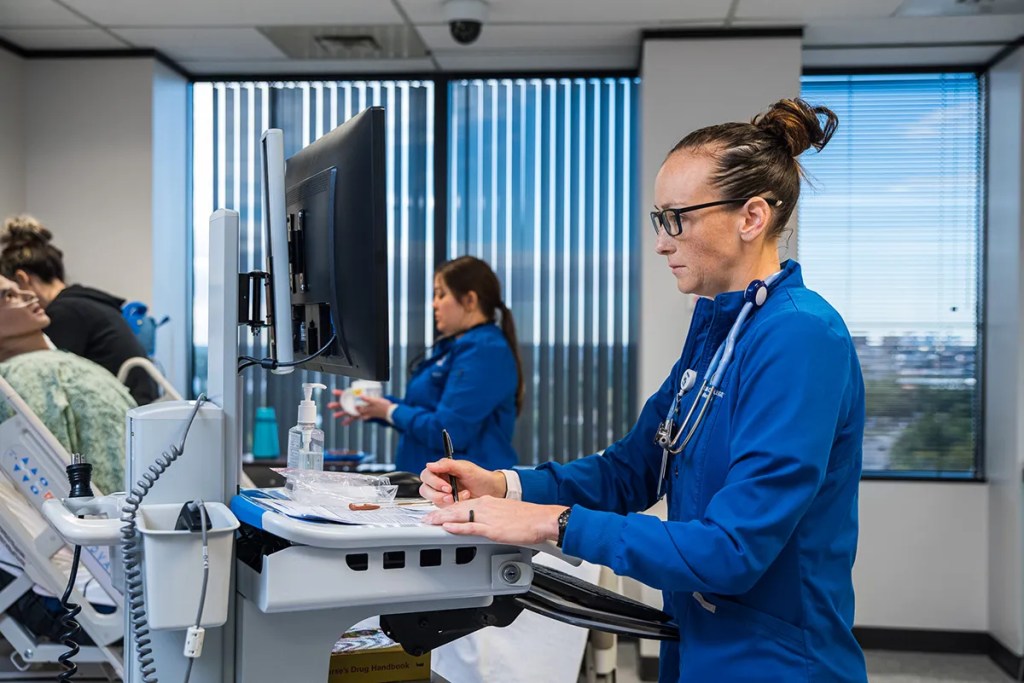
Working in healthcare can be very meaningful, but it can also be exhausting. The long shifts and constant care for patients take a special kind of strength, and it’s okay to acknowledge the physical and emotional energy that’s required. Many healthcare workers place the well-being of others before themselves, and while this dedication to patients can seem admirable on the surface, it can lead to a decline in their own health.

In a 2021 survey hosted by Mental Health America, 93% of healthcare workers reported being stressed out and stretched too thin, while 82% shared they were emotionally and physically exhausted. Additionally, 45% of nurses reported that they were not getting enough emotional support while on the job.
If you are feeling stretched thin or worn down in the healthcare setting, remember that you are far from alone.
The good news is that small, intentional habits can make a big difference in how you feel during and after your shifts. When you stay physically, emotionally, and mentally healthy at work, you are able to think more clearly, communicate more effectively, and show up for your patients as your best self.
Whether you are currently working in the field or preparing for clinical rotations as a nursing student, these five practical strategies can help you feel better and maintain your energy throughout your healthcare career.
1: Protect Your Mental Health to Prevent Healthcare Worker Burnout
In the healthcare field, your patients, coworkers, and team rely on you. But you can’t be there for them without being there for yourself first. Protecting your mental health is one of the most important ways to stay healthy at work and prevent long-term burnout.
Recognize Burnout Warning Signs
Burnout does not typically happen overnight. It builds gradually, and there are early signs worth paying attention to.
You might notice:
- Emotional or physical exhaustion before your shift even begins
- Irritability or feeling detached, even from patients you care about
- A shift in attitude, like dreading work or feeling less effective
- Physical symptoms, like headaches or stomach issues that tend to worsen with stress
Being honest with yourself about any or all of these signs is the first step toward making meaningful changes to your work life.
Set Emotional Boundaries at Work
Though empathy is a great strength to showcase in the workplace, it is important to set boundaries during emotionally draining situations. Setting boundaries helps you protect your energy so that you can continue offering compassionate care to patients.
A few helpful practices to keep in mind:
Take a breather when you need one. Even just a minute of deep breathing can help reset your entire nervous system and the way you feel.
Practice compassionate detachment. Remember that you can care deeply about everyone without hindering the way you feel.

#2: Prioritize Physical Safety and Wellness to Stay Healthy at Work
As a nurse, you will be on your feet for hours at a time, moving from room to room, and lifting or repositioning patients. Making sure to take care of your physical body is essential if you want to stay healthy at work long-term.
Practice Safe Patient Handling
The nursing field is physically demanding, but many injuries are entirely preventable. Keep yourself safe by:
Using proper body mechanics: Lift with your legs, keep patients close, and avoid twisting.
Using the equipment available: Manual transfer equipment includes devices that require human assistance for operation, including mechanical lifts, transfer belts, slide sheets, gurneys, and more.

Asking for help: Teamwork on the job is crucial for nurses to ensure quality patient care and maintain a supportive work environment. Effective teamwork involves open communication, collaboration, and support amongst nurses and other staff.
Reporting unsafe conditions promptly: Anything from a broken lift to a slippery floor puts everyone at risk. Additionally, proper maintenance of equipment is vital to prevent injuries from occurring.
Support Your Body During Long Shifts
You cannot control everything during a day on the job, but you can support your mind and body throughout the day by trying to:
- Stay hydrated throughout shifts with sipping water regularly
- Pack nutritious meals and energy-sustaining snacks
- Wear supportive, slip-resistant footwear for long shifts
- Practice stretching exercises during breaks
- Maintain ergonomic posture at workstations by adjusting chairs, screens, and workstations
Little habits like these will help make it easier to stay healthy at work, even on your toughest days.
#3: Get Adequate Rest and Recovery Between Shifts
Ensuring you are getting the proper amount of sleep between shifts can be hard as a nurse. Whether you work days, nights, or rotate between the two, fatigue can sneak up on you fast. Prioritizing rest is one of the most effective ways to feel better, stay alert, and prevent burnout.
Optimize Sleep Quality
You may not always get perfect sleep, but there are ways you can improve the sleep you do get by:
- Sticking to a sleep schedule when you can
- Create a restful, calm sleep environment by trying blackout curtains, white noise machines, or cool temperatures
- Limiting caffeine late in your shift
- Using bright light to help you wake up and dim light to help you wind down
Maximize Recovery Time
Recovery is not only about sleep, but also about helping your mind and body come down from a high-demand work environment. Some recovery strategies can include:
Power napping when possible. Even just a 10-20 minute nap can help you recharge.
Developing a post-shift ritual: Anything that can help you transition out of “work mode” can be helpful, including things like meditation, taking a shower, going to the gym, etc.
Making sure to eat/drink enough: Your body needs proper nutrients and fluids, especially after a long shift.
#4: Protect Yourself from Illness and Infection
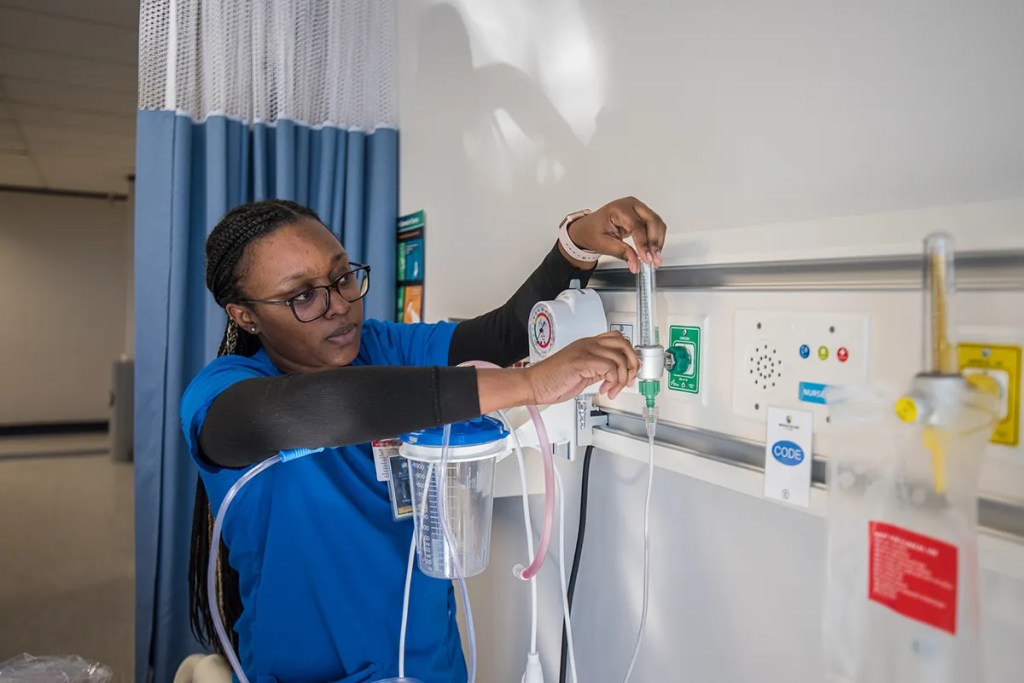
Healthcare workers are exposed to germs constantly. Infection prevention is about both patient safety and keeping yourself healthy.
Practice Proper Hand Hygiene
Good hand hygiene is one of the best ways to protect yourself from getting sick.
Effective handwashing: Make sure to wash your hands thoroughly and often. Follow the CDC guidelines and wash your hands for at least 20 seconds.
Know when to use hand sanitizer vs. soap and water: Soap and water are essential when hands are visibly dirty or when you come in contact with certain pathogens, while sanitizer is effective at killing germs in a pinch when soap and water may not be available. While hand sanitizers can be convenient, they don’t provide the same level of protection as hand washing.
Moisturize regularly: To ensure you are protecting hands from damage due to excessive washing, make sure to moisturize. Healthy skin is better at fighting off germs.
Minimize Your Exposure to Illness
Even before handwashing, there are other habits that can help you protect your health:
- Use PPE properly for personal protection is essential as a correct fit matters
- Safely remove and dispose of contaminated equipment
- Stay current on recommended vaccinations to protect you and your patients
- Recognize when you need prophylactic treatment after exposure and report it immediately by following your facility’s protocol
#5: Manage Common Healthcare Worker Physical Concerns
Many healthcare workers face dangerous hazards, including exposure to pathogens, chemicals, high stress levels, and physical demands. Issues like back pain and swollen feet from standing all day to slips and falls around the facility can be common, but they are also manageable with a little prevention and care.
Prevent Musculoskeletal Problems and Chronic Pain
Some ways you can keep pain from becoming a long-term, regular problem is through:
Addressing pain and joint discomfort early. Make sure to strengthen and stretch regularly.
Using compression socks for long shifts. These socks are great for circulation, and your legs will feel less tired.
Seeking physical therapy or treatment for repetitive strain injuries. Physical therapy is not just for athletes, but for making sure your body is the best it can be.
With all or some of these tips, your future self will thank you for taking care of your body now.
Protect Your Vision and Feet
Working in the healthcare field, it is common for two areas of your body to take a beating while on the job: your eyes and your feet.
Because of this, it can be important to practice the 20-20-20 rule for computer work eye strain. With this rule, every 20 minutes, it is recommended you look at something 20 feet away for 20 seconds. Additionally, regular eye exams are important as a clear vision can reduce headaches.
For your feet, invest in quality, supportive footwear and replace them regularly for the most comfort. Treat foot issues early, such as blisters or calluses, and remember to not push through the pain because if you do this, it can worsen. Further, consider orthotics. Extra support can make a long shift much more comfortable.
Final Thoughts
As a healthcare worker, you show up every day for your patients, advocating, caring, and helping them through some of their hardest moments. But you deserve this same level of care and attention for yourself.
While not one single strategy will fix all of your problems or keep you healthy, small and consistent habits can help you feel better longer, allowing you to continue doing what you love for a living. Whether you already are a healthcare professional or a nursing student stepping into your first round of clinicals, these wellness tips and tricks can help you stay healthy at work and build a sustainable career.
Start Your Future in Healthcare Today
At Arizona College, our Allied Health programs provide students with valuable training that the healthcare field demands. With experienced instruction, hands-on technical training, and real medical equipment, you’ll be career-ready in months—not years.
Why Arizona College is right for you
- No waitlist for enrollment
- All programs can be completed in under 9 months
- Online/In-Person hybrid classes available for certain programs
- No high school diploma or GED required (excluding Pharmacy Technician program)
- New class sessions start about every 5 weeks
- Career Services support for students and graduates
- Financial aid available to those who qualify
Discover Your Path to a Career in Healthcare
Information in this post is accurate as of February 17, 2026.
*The Bachelor of Science in Nursing (BSN) degree program at Arizona College of Nursing is accredited by the Commission on Collegiate Nursing Education (https://www.aacnnursing.org/). All Arizona College of Nursing and Arizona College campuses are institutionally accredited by the Accrediting Bureau of Health Education Schools (https://www.abhes.org/), a U.S. Department of Education-recognized accrediting agency.