












Will AI Replace Nurses? Why the Heart of Healthcare Will Always Be Human

With the rapid rise of Artificial Intelligence (AI), it often feels impossible to scroll online without seeing a headline about technology changing the world. In healthcare, a surge of AI adoption has left many professionals wondering: will AI replace nurses?
According to a paper by Stanford researchers, artificial intelligence is already affecting and displacing entry-level roles in data-heavy fields like software developers and customer service. But in nursing, while AI is becoming a valuable tool that can be used to analyze data, predict patient outcomes, assist with documentation, and handle less hands-on work that often leads to burnout, it cannot replicate human connections and compassion.
So, will AI replace nurses? No. As AI in healthcare becomes more evolved, it will not diminish the nursing profession; instead, it will highlight exactly why the human element of healthcare is necessary and irreplaceable.
How is AI Being Used in Healthcare?
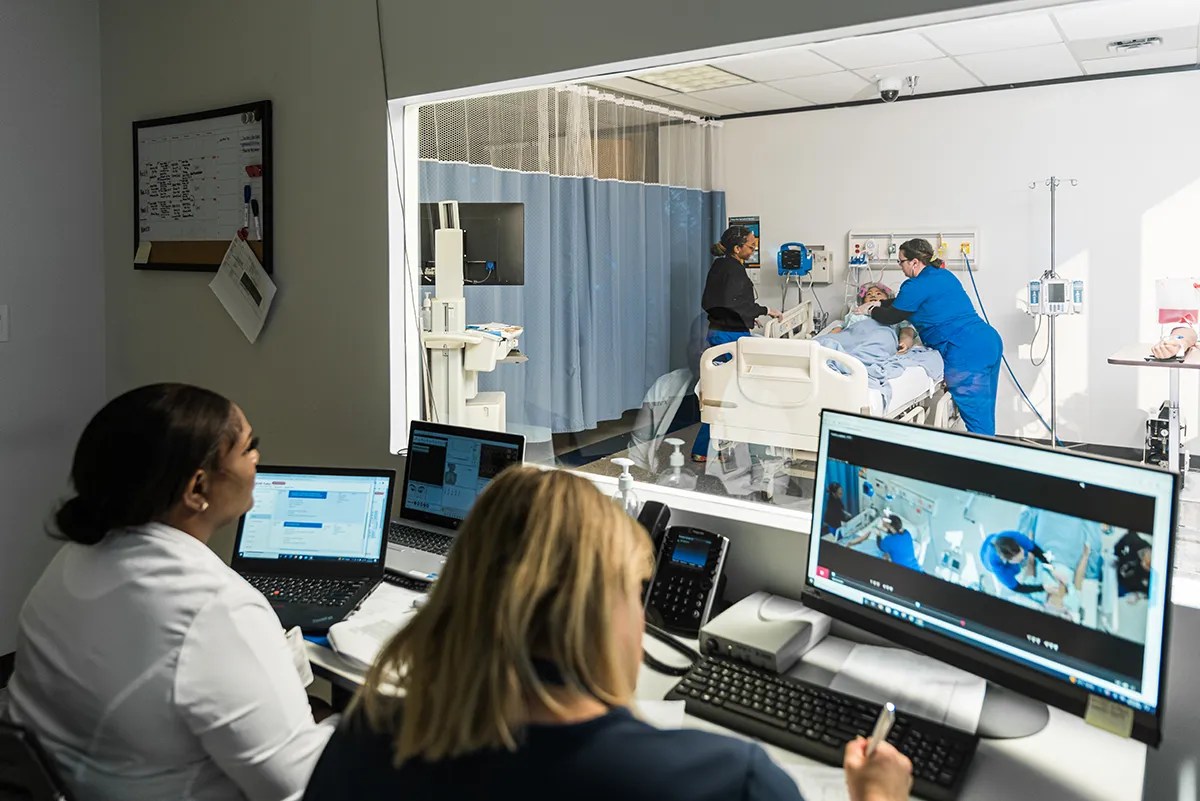
To understand why the human element of nursing remains secure, it’s important to ask, how is AI being used in healthcare? Rather than replacing humans, large language models (LLMs) are stepping in to handle high-volume data processing, predictive analytics, diagnostic support, administrative automation, and so much more. AI can be utilized in healthcare settings to support workflow, reduce nursing workload, and even improve surgical precision and reduce medical risks.
One example of this rise in technology is with custom LLMs like Open Evidence, a custom large language model trained on a closed set of high-fidelity medical research. Open Evidence has grown exponentially, counting over 150,000 U.S. physicians among its users. It puts trusted clinical data at clinician’s fingertips instantly, streamlining research and providing an educated second opinion. It is currently free for U.S. physicians to download, and it should be free for nurses, too!
Beyond research, AI in healthcare is actively being utilized for:
Diagnostic Support: Advanced image recognition software can analyze X-rays, MRIs, and CT scans, spotting subtle patterns or anomalies that may be difficult for the human eye to see.
Predictive Analytics: AI can monitor electronic health records in real time to predict patient deterioration, flag early signs of illness, or catch potential drug interactions early.
Administrative Automation: Natural language processing is being deployed to assist with charting, documentation, and scheduling, which each are tasks that traditionally contribute to nursing burnout.
However, these tools are only as safe as the human guardrails around them. While technology can optimize data, it cannot deliver care.
Why Empathy is a Clinical Skill, Not a Soft One
When discussing what separates human care from healthcare technology, conversations often turn to soft skills. In reality, empathy, presence, and trust building are hard clinical skills with direct impact on patient outcomes.
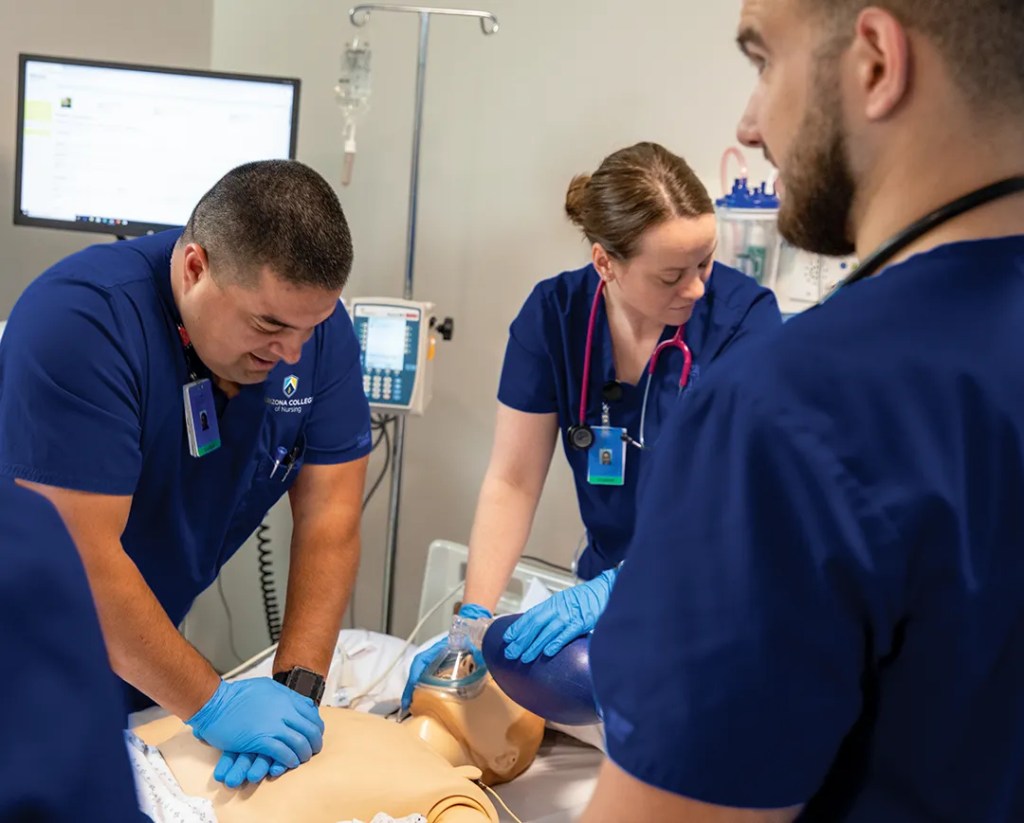
AI can flag conflict between medications, but it does not have the ability to look patient in the eye to sense their nervousness. AI cannot provide the exact comfort that is needed to deescalate a panic attack. Human care requires a nurse walking into a room and instantly assessing both verbal and nonverbal cues. It is the active choice to sit with a patient during some of their hardest moments and offer them a warm presence and hand to hold.
Empathy is tied to clinical safety and ethics. The Stanford AI Index Report notes that documented AI incidents are on the rise globally, highlighting a gap between what AI can do and how prepared organizations are to manage it. Since AI models are trained on historical data, they risk inheriting biases based on race, gender, socioeconomic status, etc. In fact, among the total number of medical AI publications in 2025, 43.4% discussed ethics topics—up from 37.1% in 2024.
Evaluating and taking care of a patient requires looking at the whole person, not just the numbers on a screen. The empathy a nurse has allows them to recognize when a data-driven recommendation doesn’t align with their lived reality. This makes empathy an essential part of what it means to be a nurse.
The Limits of AI in Direct Patient Care
When addressing the question, “will AI replace nurses?” one should look at the limitations of AI and machine learning in a bedside setting. AI does very well in environments with rigid rules and predictable data sets. Direct patient care, however, is highly unpredictable.
The true limitation of AI lies in its inability to practice patient advocacy. A nurse is who the patient relies on and acts as their ultimate safeguard. They make sure of informed consent and can translate complex medical information into more human sounding terms. Nurses also are the ones who can make sure a patient’s care plan suits them and their unique needs and values. While AI can help generate a treatment plan, it cannot advocate for the patient.
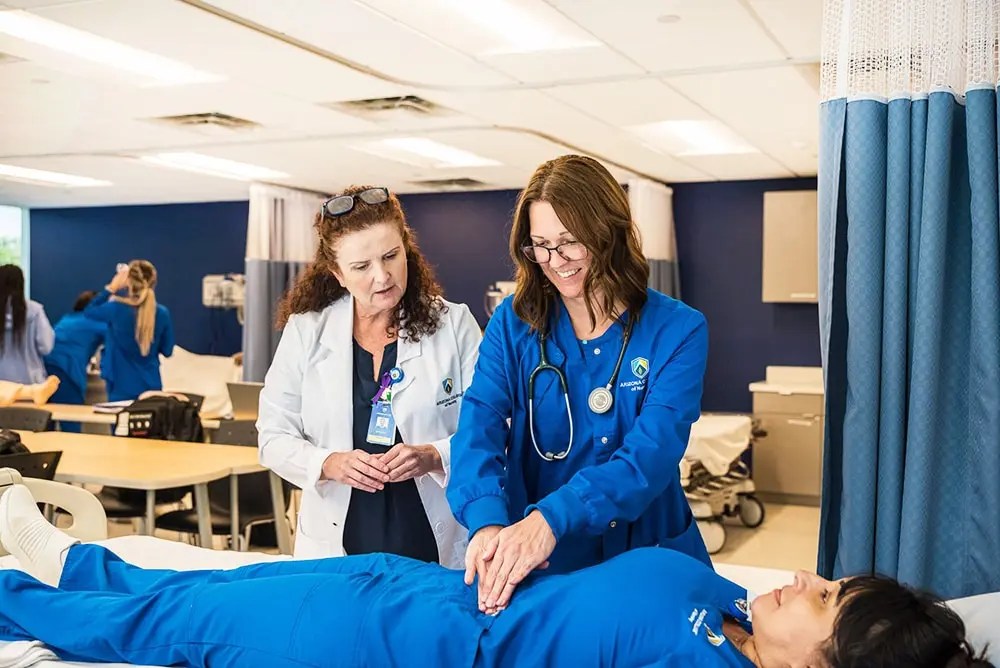
Because of this, the rise of AI does not signal the end of the nursing field, but shapes how it is evolving with the times. As routine administrative tasks are automated, nurses can spend more time at the bedside and tend to their patients.
If used right, technology can reduce the workload for nurses and give them more time to be with their patients. The role of AI will continue to evolve, but the demand for skilled human judgment and compassion will only be needed more.
What This Means for the Future of Nursing Education
With AI coming into the healthcare space, a new approach is needed to train the next generation of healthcare workers. Higher education must learn what AI tools can and are already being used in clinical practice to make sure new graduate hires are prepared for the moment they step on the hospital floor.
The reality is, students who are choosing to enter nursing school today are not in a dying field, but a profession where human skills are becoming highly valued. AI is creating a whole new set of tools and workflows that will help the nursing profession over the next few years by automating administrative burdens, streamlining research, and much more. Still, these tools must be used, evaluated, and managed by nurses who apply exceptional clinical judgement.
At Arizona College of Nursing (AZCN), leaders are constantly evaluating the shifting trends, learning the many tools, and looking to see how to stay up to date and ahead of the curve with our curriculum. Students are taught to view AI as a tool that can help throughout their careers as nurses to accelerate research and increase efficiency, but AZCN’s primary focus remains on student success and clinical preparedness.
Will AI replace nurses? No. While technology can manage the data side of healthcare, only a nurse can provide the true human presence.
Start Your Future in Nursing Today
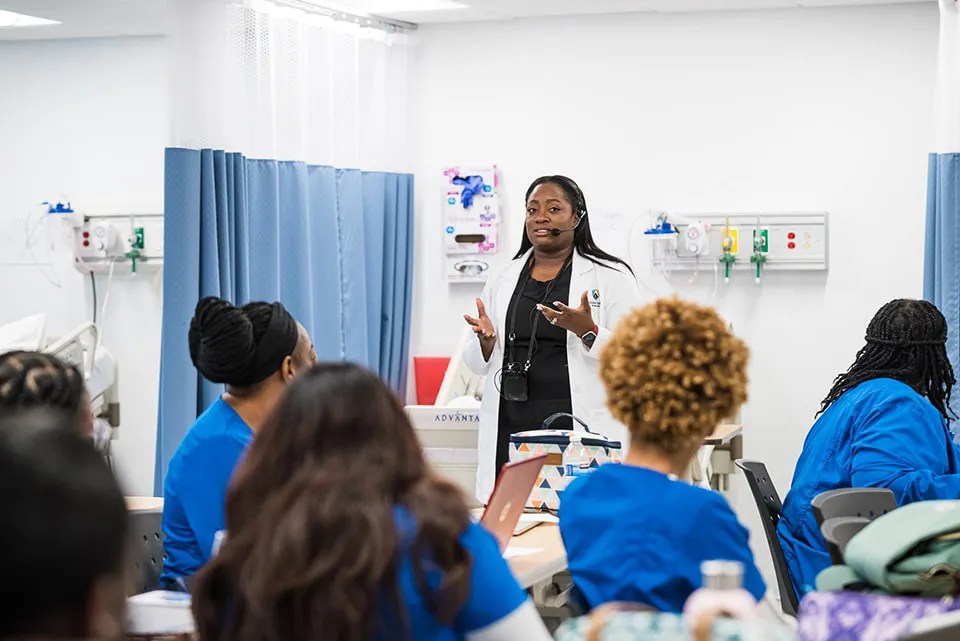
If you’re considering a career as a registered nurse (RN), Arizona College of Nursing is here to help you pursue your dream. Our BSN program enables you to earn a Bachelor of Science in Nursing in just 3 years or less with qualifying transfer credits. We’ve helped hundreds of students to earn a BSN degree and enter the nursing profession – and we’re ready to support you on your path to becoming an RN.
Why Choose Arizona College of Nursing?
- Earn a BSN degree in 3 years or less with eligible transfer credits
- Campus locations throughout the US
- Night classes for general education courses
- Hybrid Online/In-Person format for general education classes
- Nursing education is all we do
- CCNE-Accredited Program*
- NCLEX-RN success coaches and exam preparation class
- Financial aid available to those who qualify
Discover Your Path to a Career in Nursing
Information in this post is accurate as of July 13, 2026.
*The Bachelor of Science in Nursing (BSN) degree program at Arizona College of Nursing is accredited by the Commission on Collegiate Nursing Education (https://www.aacnnursing.org/). All Arizona College of Nursing and Arizona College campuses are institutionally accredited by the Accrediting Bureau of Health Education Schools (https://www.abhes.org/), a U.S. Department of Education-recognized accrediting agency.