











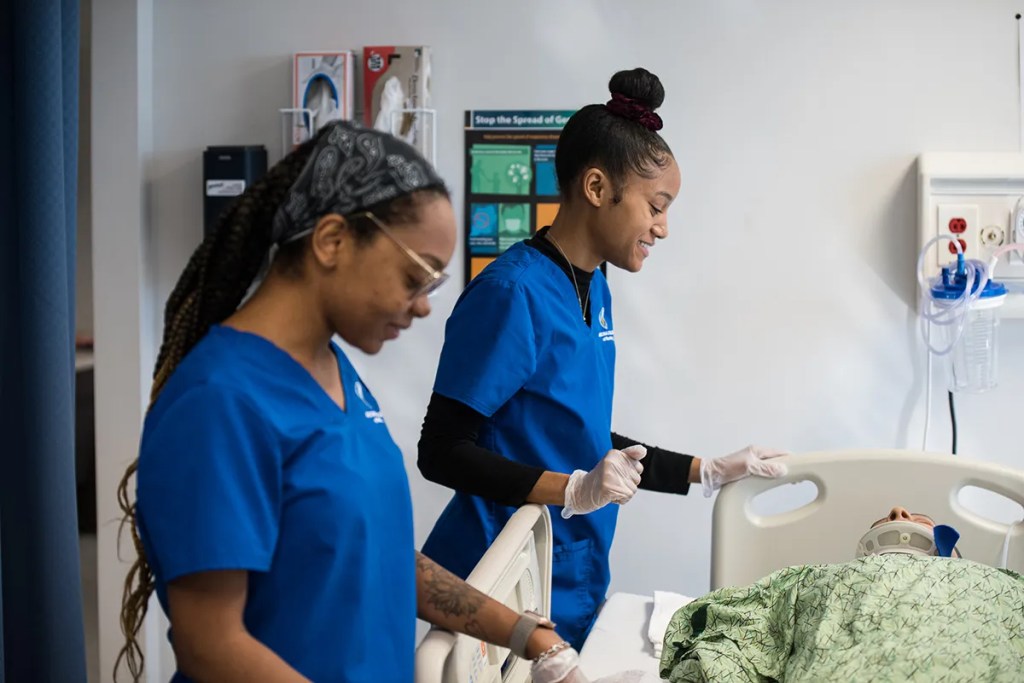
According to the Centers for Disease Control and Prevention, colorectal cancer is the fourth leading cause of cancer-related deaths in the United States, due to it often going undetected until advanced stages because of stigma and a lack of screening. Nurses at every level play a key role in the care of their patients with colorectal cancer, whether that be by educating themselves, sharing critical prevention and early detection information, or providing support.
Here, we will highlight some of the clinical knowledge needed by those like you in the nursing field when caring for patients with colorectal cancer and how to bridge the gaps in care so you can become the most effective advocates for your patients.
The Nursing Profession at Each Level
Primary Prevention: Early Detection and Screening
The progression of colorectal cancer often begins with the development of precancerous polyps. Though it may not cause symptoms right away, clinical intervention at this time can stop the cancer before it even starts. According to the U.S. Preventive Services Taskforce, most people who have a family history of colon cancer or polyps should begin regular screening starting at age 45, or earlier.
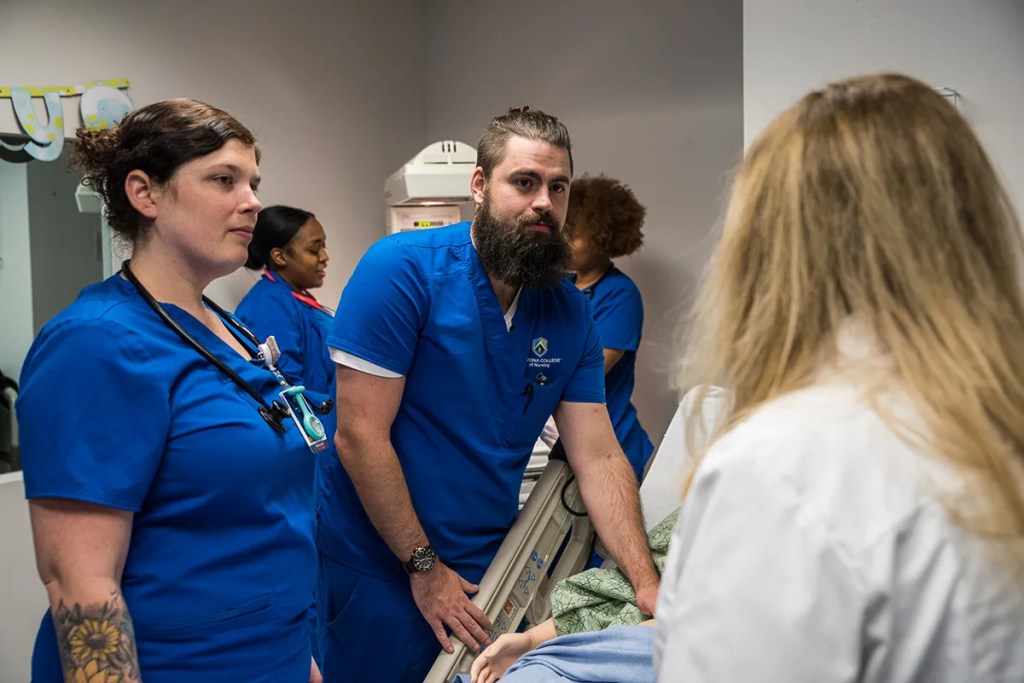
Nurses are the bridge between guidelines and patient action, so communication is key. Patients often cite fear or lack of information as reasons for avoiding screening. As trusted healthcare professionals, you as the nurse can be a calming and informative support resource for your patients and help them choose the most appropriate test to diagnose colorectal cancer, as screening is the most effective way to detect colorectal cancer early.
There are several screening options available, including:
Colonoscopy: A test which allows for a visual examination of the entire colon and rectum, and polyps can be removed during the procedure.
Stool-based Tests: Non-invasive tests, such as FIT (Fecal Immunochemical Test) or gFOBT (guaiac-based Fecal Occult Blood Test) that can detect hidden blood in the stool.
Cologuard (mt-sDNA): A multi-target stool DNA test that can detect blood and alter DNA in stool samples.
Flexible Sigmoidoscopy: A procedure that examines the lower part of the colon.
Each option has its set of advantages and disadvantages, so patient preference, risk factors, and access to care all play a role in determining which is the most appropriate screening method for you. Nurses play a vital role in explaining these options clearly, addressing any patient concerns, and ensuring that they understand the preparation required for each test.
It is important to remember that nurses are educators who teach their communities about healthy lifestyle choices. When discussing colorectal cancer, you can seize opportunities to initiate conversations with patients about risk reduction strategies, dispel myths, provide accurate information, and help individuals take the necessary steps to prevent the disease.
While some risk factors for colorectal cancer cannot be changed, like age and family history of the disease, many others are lifestyle related. As educators, nurses can help patients understand and modify these factors, including:
Diet: A diet high in red and processed meats and low in fruits, vegetables, and whole grains can increase risk. Promoting balanced nutrition is a cornerstone of preventative care.
Physical Inactivity: Regular physical activity can decrease one’s risk of developing colorectal cancer. Nurses can encourage their patients to incorporate exercise into their daily routines.
Drinking and Smoking: According to the American Cancer Society, people who have smoked tobacco for a long time or those who partake in moderate to heavy alcohol consumption as more likely to develop and die from colorectal cancer compared to those who do not. Quitting drinking and smoking can have many health benefits, including a lower risk of colorectal cancer.
Secondary Prevention: Coordination and Follow-Up
Secondary prevention for nurses is all about ensuring the screening process is completed. This includes providing clear instructions for preparation, scheduling procedures, and managing any necessary follow-up.
Nurses must be able to explain the different screening options, clarify guidelines, and ease anxieties associated with these procedures. You will be the ones ensuring that patients understand the “how” and “why” behind screening.
As coordinators, nurses often schedule appointments, provide pre-procedure instructions, and ensure patients have necessary support systems in place. You will navigate the complexities of healthcare systems for your patients to help make screening accessible to all.
In some settings, nurses also are the ones who administer stool-based tests, provide instructions or sample collections, and process the samples for laboratory analysis. If a stool test returns a positive result, it is also the nurse’s job to help patients move quickly into a diagnostic colonoscopy, as a critical aspect of secondary prevention is follow-up.
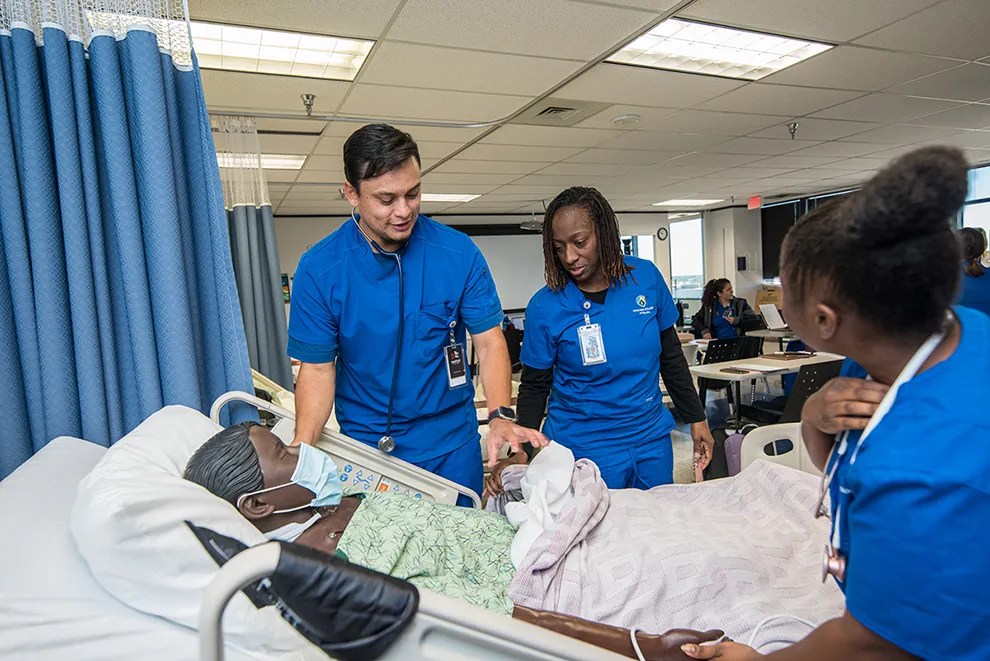
As their nurse, you must make sure that patients receive their results, understand the implications, and adhere to recommendations for any further testing or surveillance. Receiving a positive result can be anxiety-provoking, so it is also up to the nurses to provide emotional support and outline any next steps.
Tertiary Prevention: Support and Treatment
For patients diagnosed with colorectal cancer, nurses provide unwavering support throughout their treatment journey in various ways, including:
Treatment Navigation: You will help your patients understand the diagnosis and available treatment options, such as surgery, chemotherapy, radiation, etc. You can provide clarity on potential side effects and what to expect. Nurses also coordinate care among multidisciplinary teams, ensuring a seamless experience.
Symptom Management: Managing pain, nausea, fatigue, and other symptoms associated with cancer, and its treatment is one of the many responsibilities of a nurse. You must use your clinical skills and knowledge to enhance patient comfort and quality of life.
Emotional Support: A cancer diagnosis impacts every aspect of a patient’s life, as well as their families. Nurses provide emotional support for their patients by listening to concerns, answering questions, and connecting them with any resources that may make them feel a little more comfortable.
Palliative and End-of-Life Care: When cancer progresses, nurses also provide compassionate palliative care, focusing on symptom relief and comfort. In end-of-life care, you will be the one on the frontlines offering respect and support for your patients and their loved ones.
Addressing the Gaps
A common challenge in colorectal cancer prevention comes from a disconnect between clinical guidelines and patient action. Even when a nurse provides a recommendation, there are barriers that can prevent a patient from following through. To be effective, you must be able to identify these obstacles and use their clinical competence to help patients overcome them.
Identifying Patient Barriers
Barriers to colorectal cancer screening are rarely just about forgetting an appointment. They are often rooted in socioeconomic, psychological, or educational factors such as:
Fear and Anxiety: Many patients avoid screening because they fear a cancer diagnosis or perceive the procedure as being invasive, painful, or embarrassing.
Logistical and Financial Constraints: Lack of transportation, inability to take time off of work for the preparation of the surgery and recovery, or concerns about out-of-pocket costs can prevent patients from getting checked.
Low Health Literacy: Patients may not understand the difference between screening tests and diagnostic tests, leading them to believe that they don’t need checkups if they “feel fine.”
Cultural Stigma: In some communities, discussing bowel habits or colorectal health is considered taboo, which prevents open dialogue with healthcare providers.
Strategies for Nurses
To successfully bridge this gap, nurses must be proactive and individualize their approach to each patient. First, nurses should make sure their patients understand that colorectal cancer is often asymptomatic in its early stages. Highlighting the fact that “feeling healthy” is the best time to screen can shift a patient’s perspective on the necessity of the test.
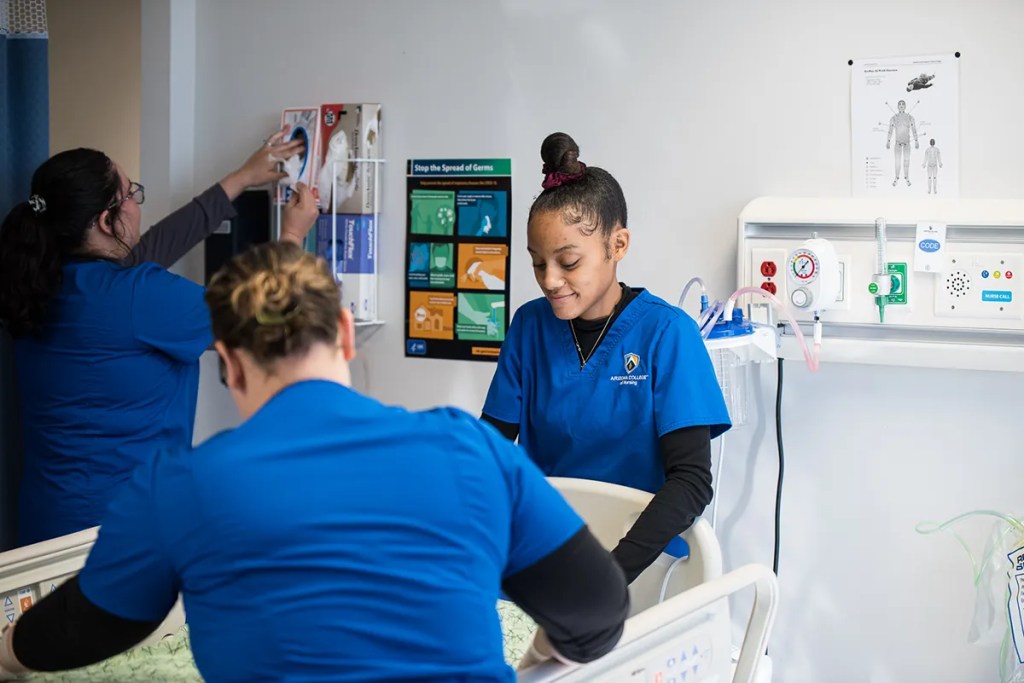
Regarding the preparation for tests like colonoscopy, nurses can improve compliance by providing clear, low-literacy instructions and tips for managing the prep comfortably. Nurses can also offer other options to patients who decline a colonoscopy, giving them the power to choose what they see as the best fit for them. By knowing there are other options, nurses can increase the likelihood that patients complete at least one form of screening.
Lastly, nurses are their patients’ biggest advocates, connecting them with their doctors, hospital social workers, financial counselors, and anything else that may help them address any issues they may be faced with. As trusted individuals, nurses can motivate their patients to take the steps needed to get screened.
Call to Action
Colorectal cancer is a disease where nursing intervention can change a patient’s life trajectory. By acting as not only care providers, but educators and coordinators, you as a nurse can help move us closer to a world where colorectal cancer is caught early or prevented entirely.
At Arizona College of Nursing, we urge our students to view every patient interaction as an opportunity to build health through engagement and education. Don’t just wait for a patient to bring up the topic. As a health advocate, you can teach them about the importance of early screening and show them the benefits. The entire nursing community must remain proactive if we want to reduce the burden of colorectal cancer.
Start Your Future in Nursing Today
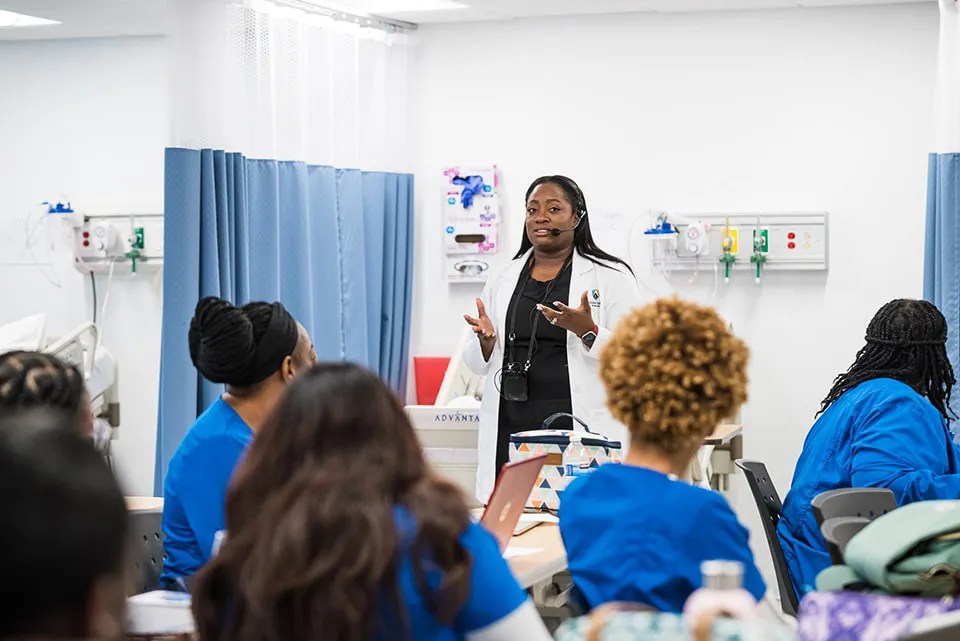
If you’re considering a career as a registered nurse (RN), Arizona College of Nursing is here to help you pursue your dream. Our BSN program enables you to earn a Bachelor of Science in Nursing in just 3 years or less with qualifying transfer credits. We’ve helped hundreds of students to earn a BSN degree and enter the nursing profession – and we’re ready to support you on your path to becoming an RN.
Why Choose Arizona College of Nursing?
- Earn a BSN degree in 3 years or less with eligible transfer credits
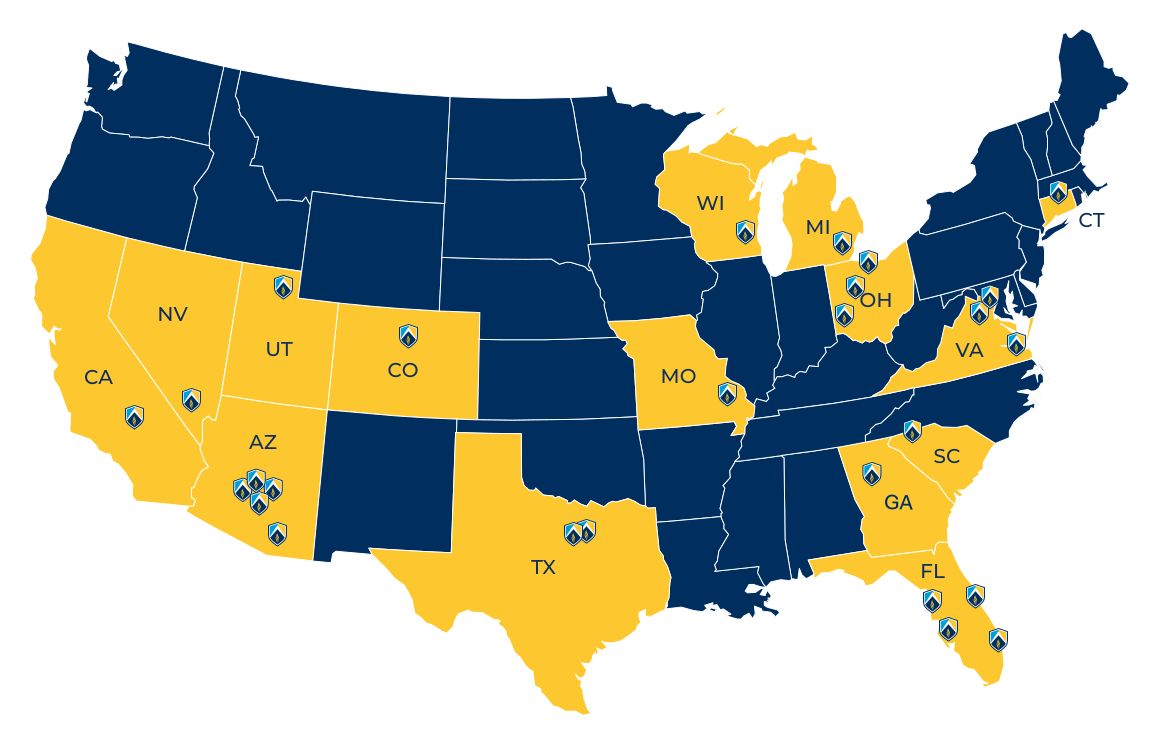
- Campus locations throughout the US
- Night classes for general education courses
- Hybrid Online/In-Person format for general education classes
- Nursing education is all we do
- CCNE-Accredited Program*
- NCLEX-RN success coaches and exam preparation class
- Financial aid available to those who qualify
Discover Your Path to a Career in Nursing
Information in this post is accurate as of March 16, 2026.
*The Bachelor of Science in Nursing (BSN) degree program at Arizona College of Nursing is accredited by the Commission on Collegiate Nursing Education (https://www.aacnnursing.org/). All Arizona College of Nursing and Arizona College campuses are institutionally accredited by the Accrediting Bureau of Health Education Schools (https://www.abhes.org/), a U.S. Department of Education-recognized accrediting agency.