









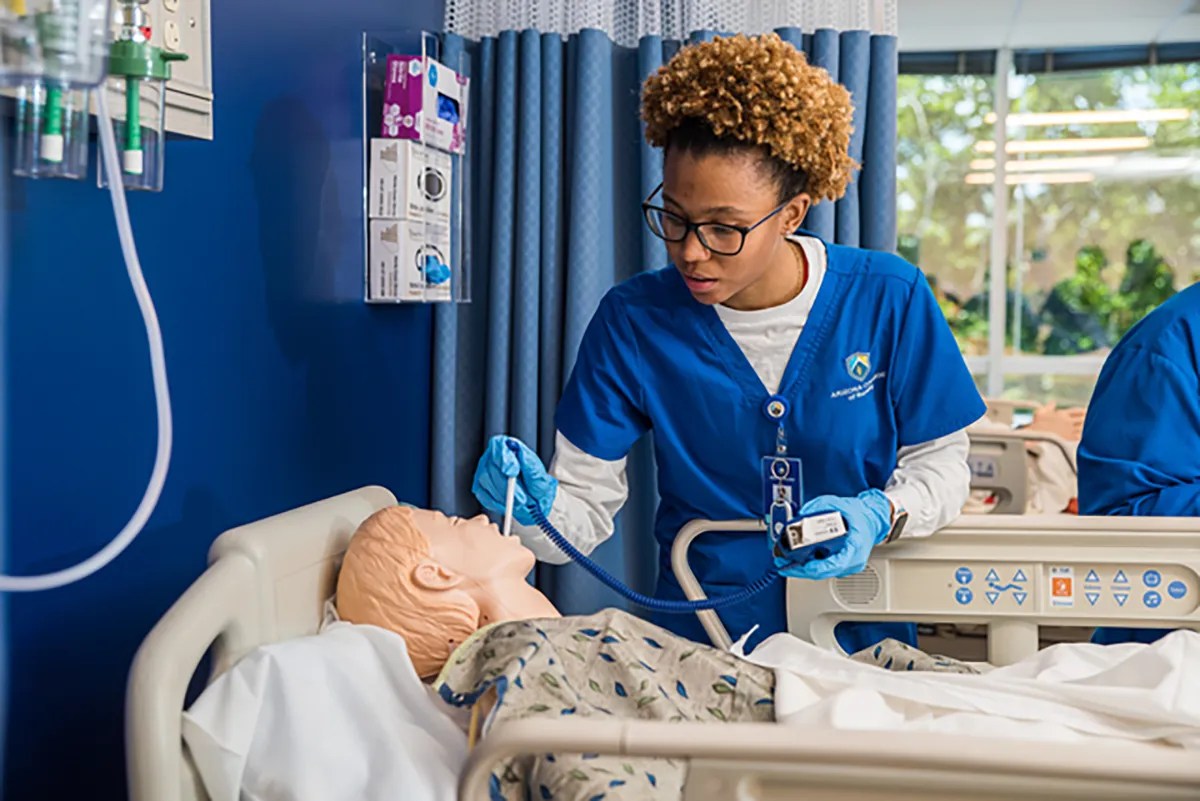


Every November, nurses across the country celebrate National Nurse Practitioner (NP) Week. For practicing nurse practitioners, it is a time to honor the extraordinary contributions of nurse practitioners and highlight their role in today’s healthcare system. But for a BSN student like you, it is about asking: Could this be me one day?
If you have only ever considered pursuing a career in nursing, NP week is the perfect time to look ahead and see what other doors might open for you with a BSN.
What is a nurse practitioner?
A nurse practitioner is a registered nurse who has completed graduate-level education (a master’s or doctoral degree) and clinical training beyond their initial registered nurse (RN) preparation. Nurse practitioners are licensed, independent clinicians who can:
- Diagnose and treat acute and chronic illnesses
- Order and interpret diagnostic tests
- Prescribe medications
- Provide patient education and counseling
- Lead care teams and advocate for patients
Depending on the state, nurse practitioners can even practice independently or in collaboration with physicians. What makes them especially unique is their emphasis on whole-person care, treating not only the illness but also supporting patients’ physical, emotional, and social well-being.
Why is National Nurse Practitioner Week celebrated?
The American Association of Nurse Practitioners (AANP) established NP Week to recognize the critical role that NPs play in delivering high-quality, patient-centered care. This week is also about increasing public awareness of the NP profession, which has become one of the fastest-growing areas in healthcare.
The role of NPs has grown like crazy. According to the US Bureau of Labor Statistics, employment of NPs is projected to grow 35% from 2024 to 2034. This is much faster than the average for most occupations.
Why? Two main reasons:
- There are not enough primary care providers.
- Patients’ increasing preference for holistic, accessible, and hands-on healthcare.
In this line of work, you will be in high demand.
The Impact of Nurse Practitioners
Nurse practitioners are known for bridging gaps in healthcare. In underserved areas, they are often the ones who provide the only access to primary care. In specialized settings, they bring expertise in managing complex conditions like diabetes, heart disease, and mental health disorders.
Here are some ways NPs are making a difference:
- Access: Nurse practitioners help to fill the gaps in the global physician shortage. They often are the ones providing the only healthcare in rural or underserved areas.
- Increasing Patient Satisfaction: Studies show that patients cared for by NPs report equal or higher satisfaction compared with physician-led care, largely due to the time and attention NPs dedicate to their patients. Patients report feeling really heard and cared for by NPs, and their focus is on keeping their patients healthy, not just treating problems.
- Cost Savings: By focusing on prevention, education, and effective management of chronic conditions, NPs help reduce costly hospitalizations and emergency visits. Less ER visits means less financial strain on patients and the system.
Why You Should Care (Even as a Current or Future BSN Student)
If you’re considering a career in nursing, it’s important to know that your options are vast and evolving. You may be researching nursing programs, weighing your career choices, or planning your path to a BSN, but understanding the full scope of nursing careers can help you see the big picture. Maybe right now you just want to figure out your first steps into nursing (totally fair!), but knowing what opportunities exist down the road can help you choose the right educational path.
Many students enter nursing with the immediate goal of becoming an RN, but the journey does not have to stop there. Becoming an NP allows you to expand your scope of practice, gain greater autonomy, and specialize in an area that excites you.
As a nursing student, you will already cultivate skills that NPs rely on every day, including:
- Critical thinking and problem solving
- Patient advocacy
- Communication and collaboration with interprofessional teams
- Empathy and compassion in patient interactions
The best part is, the skills that you practice in college, like critical thinking, communication, and empathy, are exactly what you will need as an NP.
How do I become a nurse practitioner?
If NP life is calling your name, here is the roadmap to get you started:
- Finish your Bachelor of Science in Nursing (BSN): This degree sets you up with the clinical knowledge and leadership skills needed for advanced practice.
- Pass the NCLEX-RN and gain clinical experience: Most NP programs require 1-2 years of RN experience, though requirements vary.
- Pursue a graduate degree: You will need a Master of Science in Nursing (MSN) or Doctor of Nursing Practice (DNP), depending on your career goals and state requirements.
- Choose a population focus: Examples include Family Nursing Practitioner (FNP), Adult-Gerontology, Pediatrics, Women’s Health, and Psychiatric-Mental Health.
- Earn national board certification and state licensure: Certification bodies include the AANP and the American Nurses Credentialing Center (ANCC).
- Commit to lifelong learning: NPs continue education throughout their careers to stay current with best practices and medical advancements. Credentialing Center (ANCC).
Looking Ahead to Your Career with a BSN
The future of nursing and healthcare as a whole is bright, and nurse practitioners are leading the way. With their focus on patient-centered care, holistic approaches, and accessibility, nurse practitioners are reshaping how care is delivered in the US.
At Arizona College of Nursing, NP Week is a reminder that your education is just the beginning. Whether you decide to pursue advance practice or not, you’re entering a profession where you can make an extraordinary difference. But if you are drawn to leadership, autonomy, and specialization, becoming a nurse practitioner might be the path that fulfills your calling. This week serves as a reminder of just how many ways a BSN can take you.
“Each degree I’ve earned has contributed significantly to my personal and professional growth. Being a nurse practitioner is deeply fulfilling—I’m passionate about helping patients improve their health and quality of life. This journey has also sharpened my critical thinking, communication, and leadership skills, opening doors to new career opportunities and allowing me to make a broader impact,” said Leanne Dragone, DNP, APRN, CRC.
So, give a shout-out to the NPs who are already out there and making it happen. And who knows? A few years from now, we may be celebrating you as well!
Start Your Future in Nursing Today
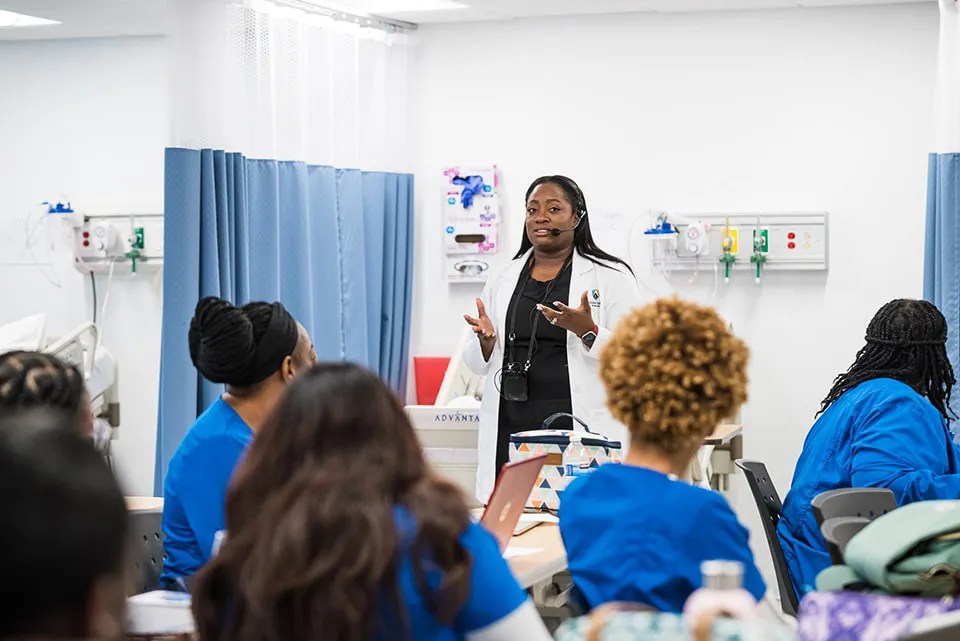
If you’re considering a career as a registered nurse (RN), Arizona College of Nursing is here to help you pursue your dream. Our BSN program enables you to earn a Bachelor of Science in Nursing in just 3 years or less with qualifying transfer credits. We’ve helped hundreds of students to earn a BSN degree and enter the nursing profession – and we’re ready to support you on your path to becoming an RN.
Why Choose Arizona College of Nursing?
- Earn a BSN degree in 3 years or less with eligible transfer credits
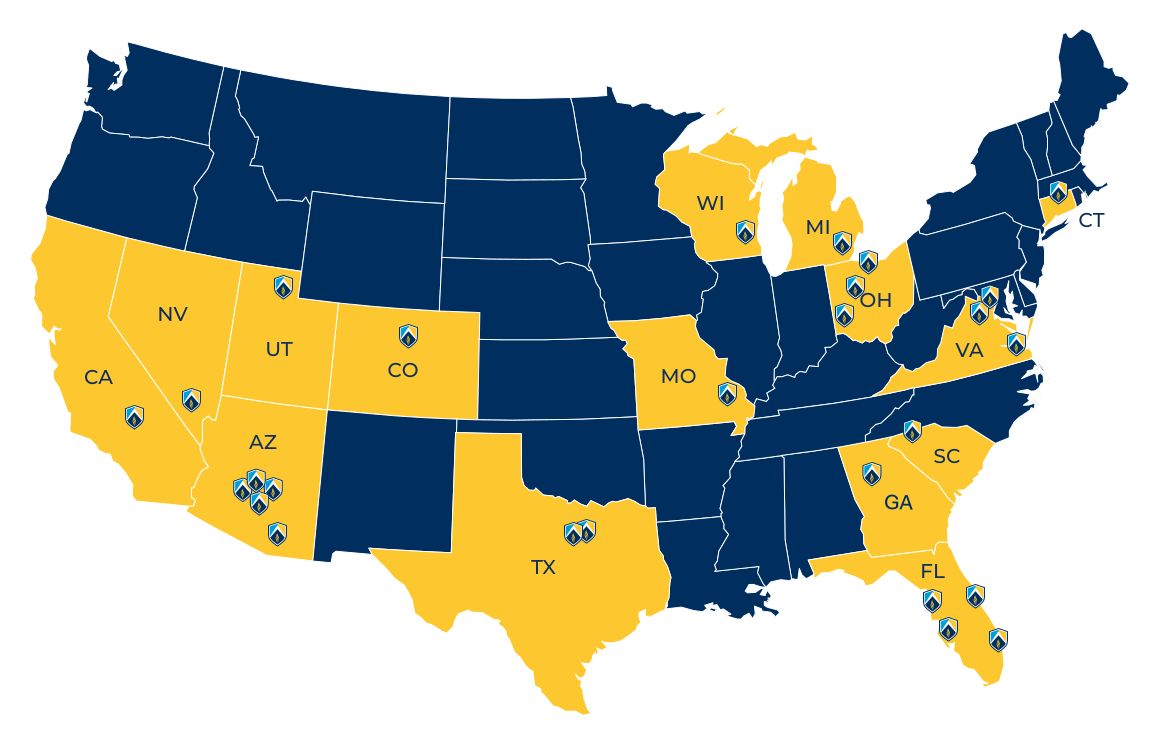
- Campus locations throughout the US
- Night classes for general education courses
- Hybrid Online/In-Person format for general education classes
- Nursing education is all we do
- CCNE-Accredited Program*
- NCLEX-RN success coaches and exam preparation class
- Financial aid available to those who qualify
Discover Your Path to a Career in Nursing
Information in this post is accurate as of November 10, 2025.
*The Bachelor of Science in Nursing (BSN) degree program at Arizona College of Nursing is accredited by the Commission on Collegiate Nursing Education (https://www.aacnnursing.org/). All Arizona College of Nursing and Arizona College campuses are institutionally accredited by the Accrediting Bureau of Health Education Schools (https://www.abhes.org/), a U.S. Department of Education-recognized accrediting agency.